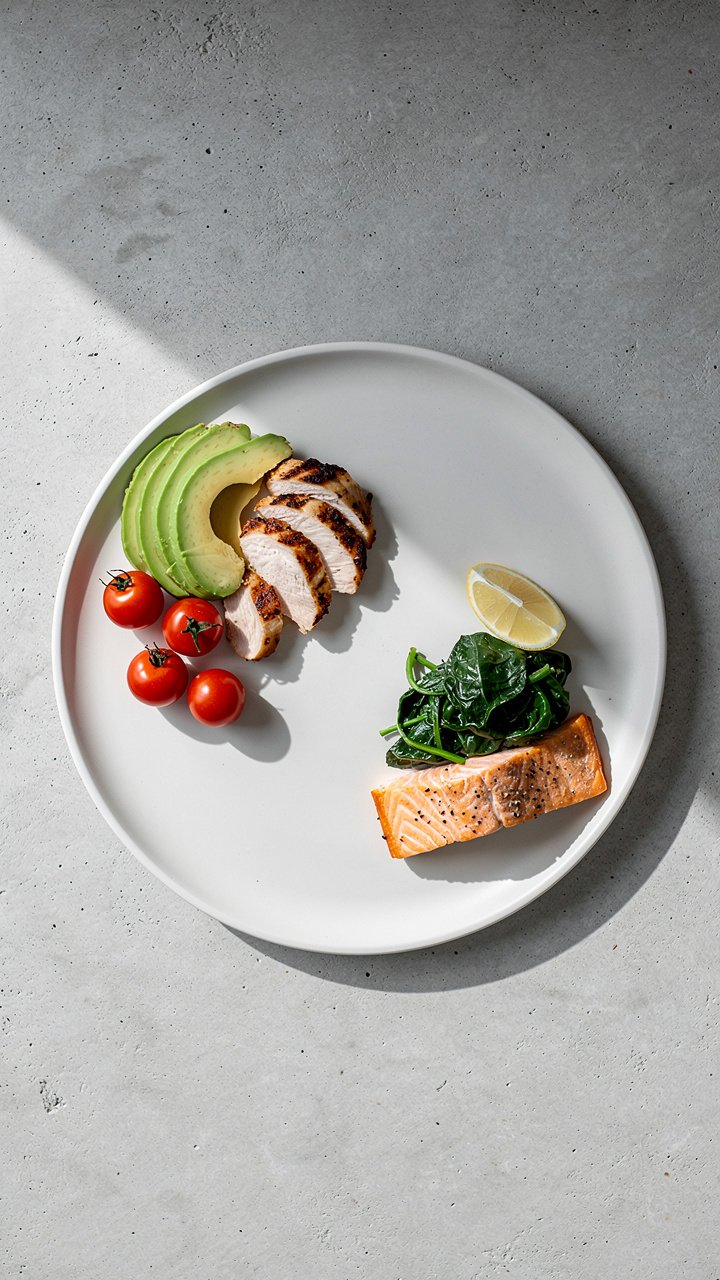
Understanding the 800-Calorie Keto Approach. Combining a low-calorie diet with ketogenic principles can accelerate fat loss for many individuals. By restricting calories to 800 per day while maintaining a high-fat, low-carbohydrate intake, your body enters a deep state of ketosis. This state forces the body to prioritize burning stored fat for fuel instead of glucose. Intermittent fasting further enhances these effects by extending your body’s fat-burning window. This method is considered aggressive and should be approached with caution and preparation. Before starting, consult with a healthcare professional to ensure this plan is safe for your health history. ## Practical Tips for Success. Successfully navigating an 800-calorie plan requires meticulous planning and discipline. You must focus on nutrient density to avoid deficiencies while keeping calories low. Prioritize leafy greens, high-quality proteins, and healthy fats like avocado or olive oil. Hydration is non-negotiable when combining keto with intermittent fasting. Drink plenty of water and replenish electrolytes like sodium, potassium, and magnesium daily. Without adequate electrolytes, you may experience headaches, fatigue, or muscle cramps known as the keto flu. Plan your two meals carefully to ensure they are packed with fiber and essential vitamins. Keep healthy snacks to an absolute minimum or eliminate them entirely. Consistent tracking of your macro intake helps ensure you stay within your limits. ## Common Mistakes to Avoid. Many people jump into extreme caloric restriction without proper preparation or a transition period. Attempting a rapid shift from a standard diet to 800 calories often leads to burnout and failure. Another common mistake is ignoring the quality of fats and proteins you consume. Highly processed low-carb snacks are often devoid of nutrients despite meeting macro requirements. Neglecting your micronutrient intake can lead to hair loss, brittle nails, and weakened immune function. Do not ignore your body’s hunger cues or signs of extreme fatigue. If you feel dizzy, excessively weak, or faint, increase your calorie intake immediately. This plan is meant to be a tool for short-term results rather than a permanent lifestyle choice. Avoid the temptation to “cheat” or stray from your macros, as this breaks the metabolic momentum of ketosis. ## A Step-by-Step Transition Guide. Start by gradually reducing your daily caloric intake over two weeks to allow your body to adapt. Begin by practicing 16:8 intermittent fasting for a week before tightening the eating window. Once accustomed to fasting, start calculating your specific 800-calorie requirement using a reliable app. Focus on batch-prepping your two daily meals to prevent the stress of daily cooking. Aim for a balance where protein provides muscle support and healthy fats provide sustained energy. Gradually phase out all high-carb processed foods from your pantry to remove temptation. Keep a journal to monitor your mood, energy levels, and weight loss progress each week. Adjust your meal composition if you notice consistent lethargy or brain fog. Ensure you are getting at least seven to eight hours of quality sleep every night. Consistency is the primary factor that dictates long-term success during this phase. ## Myths vs Facts. Myth: 800 calories will destroy your metabolism immediately. Fact: While extreme restriction can slow metabolic rate, the protein-sparing nature of keto helps preserve lean muscle mass. Myth: You do not need to exercise on an 800-calorie diet. Fact: Light activity like walking is encouraged to maintain insulin sensitivity and support metabolic health. Myth: All weight lost on this plan is strictly body fat. Fact: Initial rapid weight loss is often water weight, followed by true adipose tissue reduction. Myth: You must eat every three hours to keep your metabolism active. Fact: Metabolic flexibility allows the body to tap into fat stores effectively during fasting periods. ## Frequently Asked Questions. Q: Is 800 calories sustainable long-term? A: No, 800 calories is generally considered a “very low-calorie diet” (VLCD) and should only be followed under medical supervision for a limited duration. Q: Can I exercise intensely while on this plan? A: High-intensity exercise is generally discouraged on such low calories, as it may lead to excessive strain or recovery issues. Q: What should I do if I hit a weight loss plateau? A: Ensure you are tracking accurately, check your electrolyte intake, and consider a brief “refeed” day to reset your hormones.
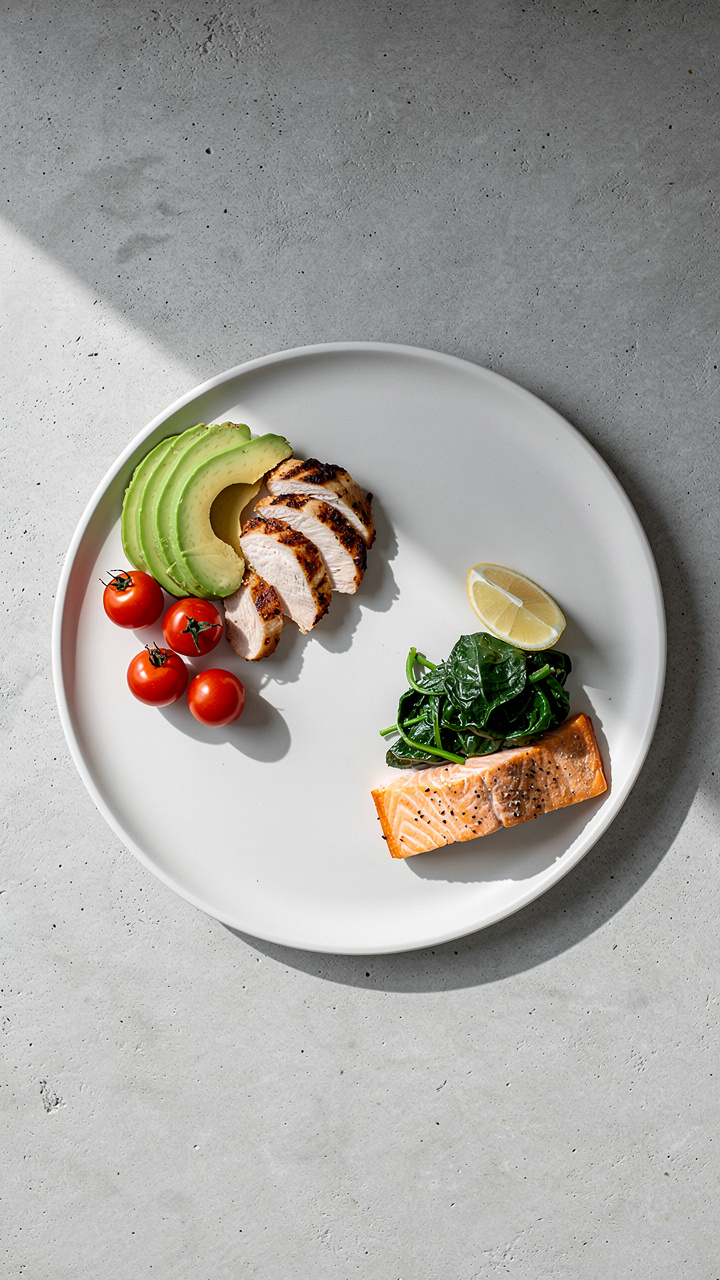
Step-by-Step Recipe Instructions
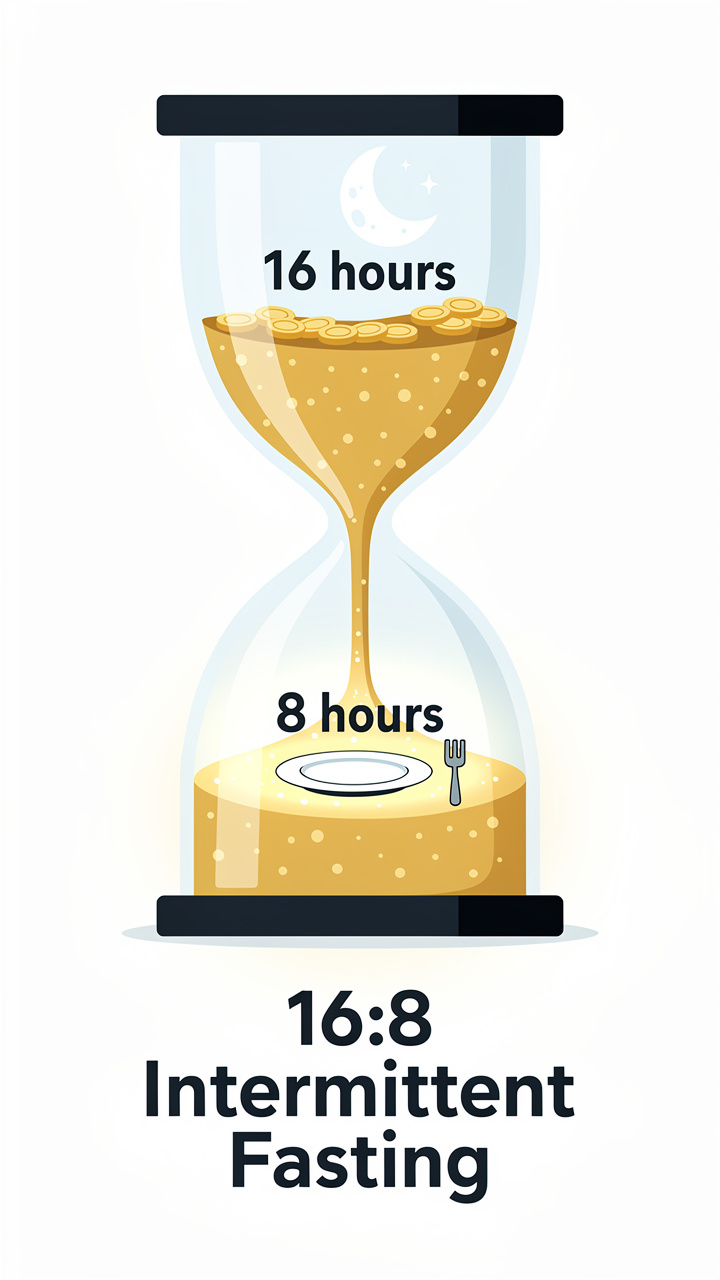
Ingredients You’ll Need
- 1 lb boneless chicken thighs, trimmed of fat
- 2 cups cauliflower florets, chopped
- 1 medium zucchini, sliced into half-moons
- 1/2 cup heavy whipping cream
- 1/4 cup shredded parmesan cheese
- 1 tsp dried oregano
- 1/2 tsp garlic powder
- 1/2 tsp sea salt
- 1/4 cup chicken bone broth
Follow this clear, step-by-step guide to prepare this dish perfectly every time.