Slow Cooker Hungarian Goulash: Hearty Beef Stew Guide
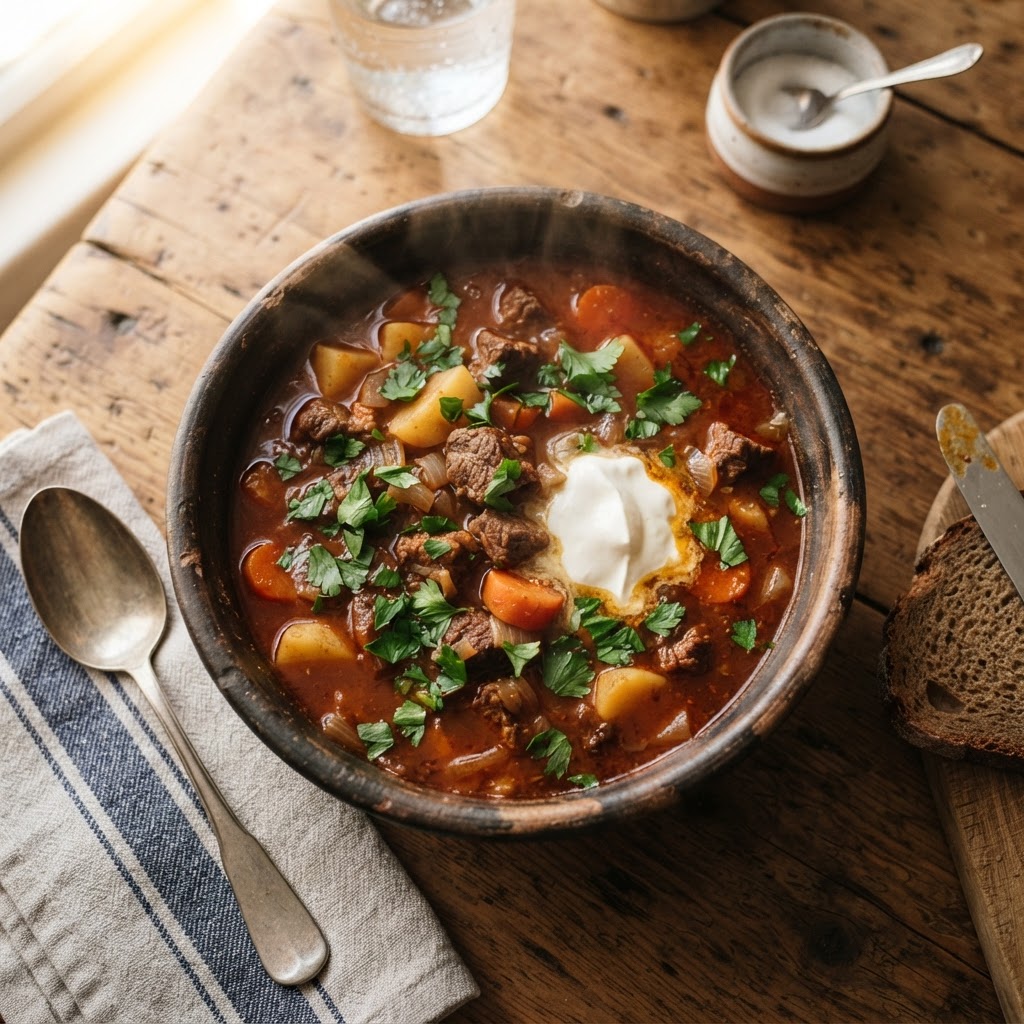
To make the perfect Slow Cooker Hungarian Goulash, sear 2 lbs of cubed beef chuck until deeply browned, sauté diced onions, and simmer on low for 8 hours with authentic Hungarian sweet paprika, beef broth, and caraway seeds. This method uses onion reduction rather than flour to achieve a rich, naturally thickened, and silky authentic texture.
The Secret to Authentic Flavor and Texture
Mastering an authentic Hungarian Goulash requires a deep respect for high-quality, authentic Hungarian paprika, which provides the dish with its signature vibrant color and earthy, slightly spicy undertone. Unlike standard stews that rely on flour or cornstarch slurry to create body, an authentic goulash achieves its luxurious, silky mouthfeel through the slow, enzymatic breakdown of connective tissues in chuck roast and the natural dissolution of large quantities of sautéed onions. When onions are cooked slowly, they liquefy into the sauce, creating a complex base that flour-thickened gravies simply cannot replicate.
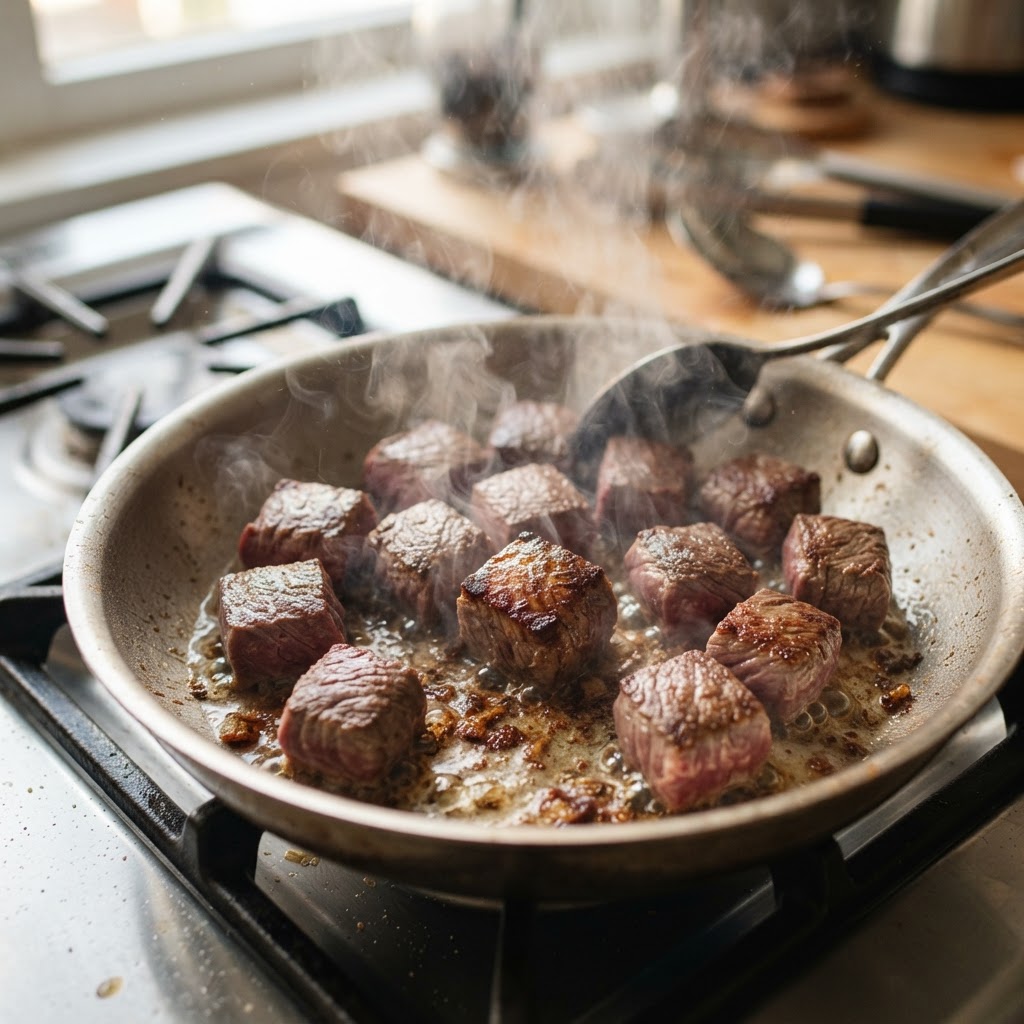
High-quality beef chuck contains a higher concentration of collagen compared to leaner cuts like sirloin; over an 8-hour cooking cycle, this collagen gelatinizes, resulting in meat that pulls apart with the slightest fork pressure. Furthermore, the Maillard reaction achieved during the initial searing process is non-negotiable. By browning the meat at high heat before it enters the slow cooker, you generate hundreds of distinct flavor compounds that provide the backbone for the broth, elevating the dish from a simple soup to a sophisticated, restaurant-quality meal.
Respecting these scientific principles ensures the final product is consistently tender and deeply flavored.
Choosing the Right Ingredients for Success
Selecting your components with precision is the first step toward achieving professional results in your crockpot beef stew, as quality directly dictates flavor depth. The ideal cut of meat for this recipe is well-marbled chuck roast or brisket, which contains the necessary fat content to withstand 8 to 10 hours of heat without drying out. For the aromatics, you must prioritize fresh yellow onions; using 2 large onions ensures there is enough plant matter to break down and thicken the sauce naturally.
When choosing paprika, avoid generic “paprika” found in bulk spice bins, which often lacks essential volatile oils. Instead, opt for authentic Hungarian sweet paprika, which features a significantly higher oil content that creates a more potent and aromatic finish. To further refine your ingredient selection, consider the following breakdown of essential components compared to common alternatives.
Comparison: Standard Stew vs. Hungarian Goulash
Step-by-Step Preparation Method
To prepare the perfect dish, start by cutting your beef into uniform one-inch cubes to ensure even cooking throughout the process. Season the beef generously with salt and pepper, then sear it in a hot pan with a small amount of oil until deeply browned on all sides. Transfer the beef to your slow cooker, then use the same pan to soften the onions until they are translucent and golden.
Stir in the paprika away from direct heat for thirty seconds to prevent burning before transferring the mixture into the slow cooker. Add beef broth, caraway seeds, and a touch of tomato paste to the pot. Cover and cook on low for eight to ten hours until the meat is fork-tender.
Step-by-Step Recipe Instructions
Ingredients You’ll Need
- 2 lbs beef chuck roast, cut into 1-inch cubes
- 2 tablespoons olive oil
- 2 large yellow onions, diced
- 3 tablespoons Hungarian sweet paprika
- 1 teaspoon smoked paprika
- 3 cloves garlic, minced
- 2 cups beef broth
- 14 ounces tomato purée
- 3 large carrots, sliced into rounds
- 1 pound Yukon Gold potatoes, peeled and cut into 1-inch chunks
- 1 tablespoon caraway seeds
- 1/2 cup sour cream
Expert Tips for Slow Cooker Success
Achieving consistent results with your slow cooker comfort food depends entirely on how you manage moisture levels and heat cycles within the vessel. A common pitfall is adding excessive liquid; because the slow cooker functions as a sealed, low-evaporation environment, the liquid you add at the start is essentially the final volume you will have. To ensure a rich, concentrated flavor, aim for just enough broth to barely submerge the meat, which prevents the final sauce from becoming diluted or watery.
If you find the consistency too thin after 8 hours of cooking, simply remove the lid and switch the setting to high for 30 minutes; this allows excess water to evaporate while further concentrating the paprika and onion flavors. For those adding potatoes, keep in mind that Yukon Gold varieties hold their shape significantly better than Russet potatoes during extended 8-hour sessions, preventing a starchy, disintegrated texture. Finally, resting the stew for at least 20 minutes before serving is crucial.
This resting period allows the fats to re-emulsify with the paprika oil and the meat fibers to relax, resulting in a more cohesive, velvety eating experience compared to serving it immediately upon the cooker’s shut-off.
Culinary Benefits of Slow Cooking
Low-temperature cooking is a transformative process that breaks down collagen in tougher cuts of meat, turning them into succulent, tender bites that would be impossible to achieve with quick frying or grilling. This method is exceptionally efficient, as it allows for hands-off cooking that builds complex flavors as the ingredients fuse over time. Beyond the flavor benefits, slow cooking is an excellent way to organize your weekly meal prep because it is nearly impossible to overcook the meat once it reaches a certain point of tenderness.
It is the ideal method for busy families who want the taste of a traditional, multi-hour stove-top stew without the necessity of constant monitoring.
FAQ
Is it necessary to use caraway seeds in goulash?
Yes, caraway seeds are a signature component of traditional Hungarian Goulash and provide a unique, aromatic punch that balances the sweetness of the onions and the earthiness of the paprika. Without them, the dish will lack the authentic, deep flavor profile that distinguishes Goulash from a standard beef stew.
Can I substitute smoked paprika?
While you can use smoked paprika, it will change the flavor profile from traditional to a more Spanish-influenced dish; stick to sweet Hungarian paprika for an authentic taste. Smoked paprika often contains woody notes that can overpower the delicate balance of the beef and onion base.
Should I add vegetables at the beginning?
No, adding delicate vegetables like peppers or potatoes at the start will result in them turning into mush; add them during the final two hours. For firmer results, add carrots and potatoes only when the meat has approximately two hours of cooking time remaining to ensure perfect texture.
How do I thicken the sauce without flour?
You can thicken the sauce naturally by pureeing half of the cooked onions before serving or simply by letting the stew reduce on high heat without a lid. Since onions serve as the primary structural thickening agent in this recipe, blending them back into the sauce creates a perfect consistency.
Can I freeze the leftovers?
Yes, this dish freezes exceptionally well, and the flavors often deepen even further after sitting in the freezer for a few days. Store it in an airtight container for up to three months, and reheat slowly on the stovetop to preserve the integrity of the sauce and meat texture.