
The secret to the best crockpot pork chops that remain tender every time is searing the meat for 3 minutes per side before slow cooking on low for 4 to 5 hours in a liquid-heavy braise. This specific technique prevents the lean pork from drying out while ensuring a succulent, restaurant-quality result that avoids the common ‘leathery’ texture.
Why Slow Cooking Pork Chops Requires Precision
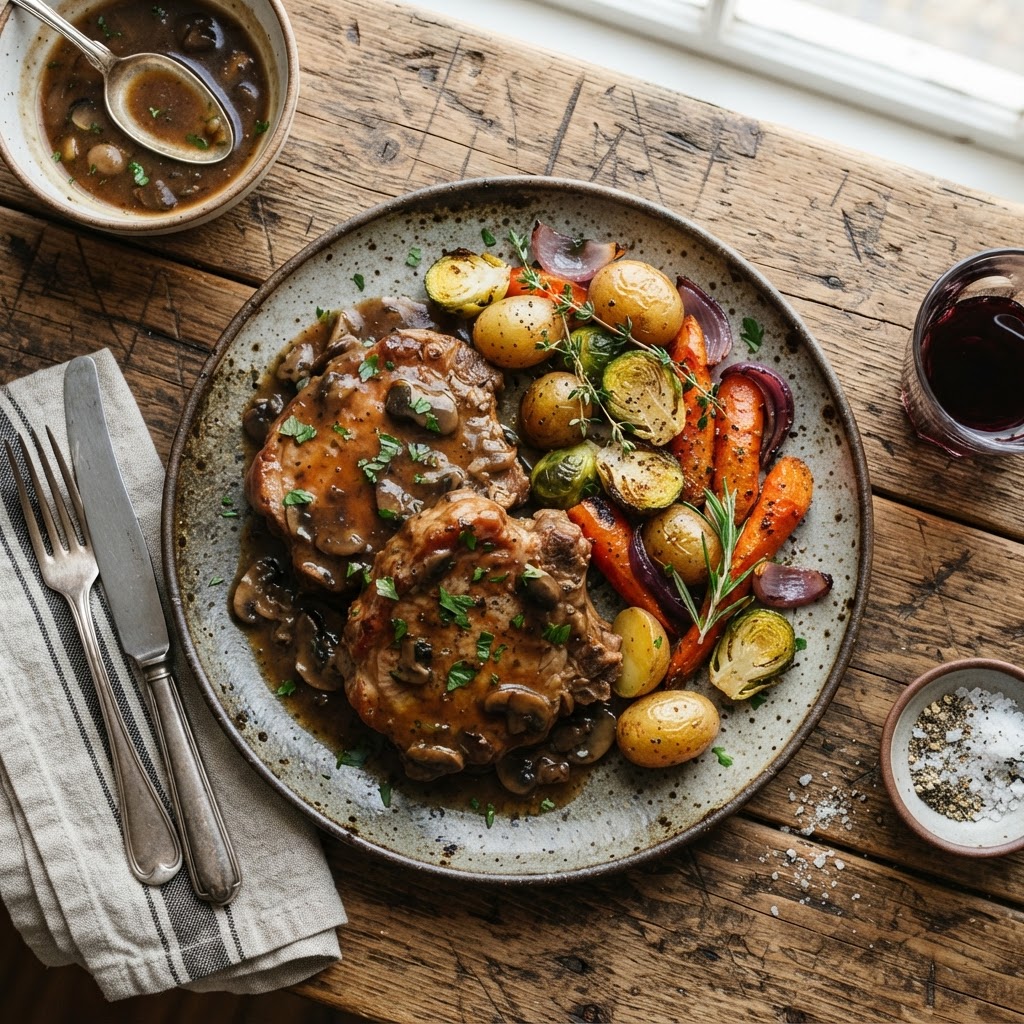
Understanding the biology of pork muscle fibers is the first step toward mastering the best crockpot pork chops. Pork chops are naturally lean, meaning they lack the heavy connective tissue found in roasts that requires long hours of breakdown, which is why they often turn into leather when overcooked. To avoid this, you must keep the cooking time under strict observation and always ensure the pot is tightly sealed to trap internal moisture.
Unlike fattier cuts like pork shoulder, chops require a delicate touch and just enough time to reach an internal temperature of 145 degrees Fahrenheit without crossing into the dry zone. Following these methods consistently guarantees that your dinner is not only flavorful but incredibly soft. Because pork chops contain roughly 20-25% protein and very little intramuscular fat, precision is your best defense against moisture loss.
By maintaining a constant internal temperature of 145°F, you ensure food safety while preventing the collagen from tightening too much. Professional chefs recommend using a digital meat thermometer to pull the chops exactly when they reach this safety threshold rather than relying solely on a timer, as slow cooker models vary in heat intensity by up to 20 degrees.
Step-by-Step Recipe Instructions
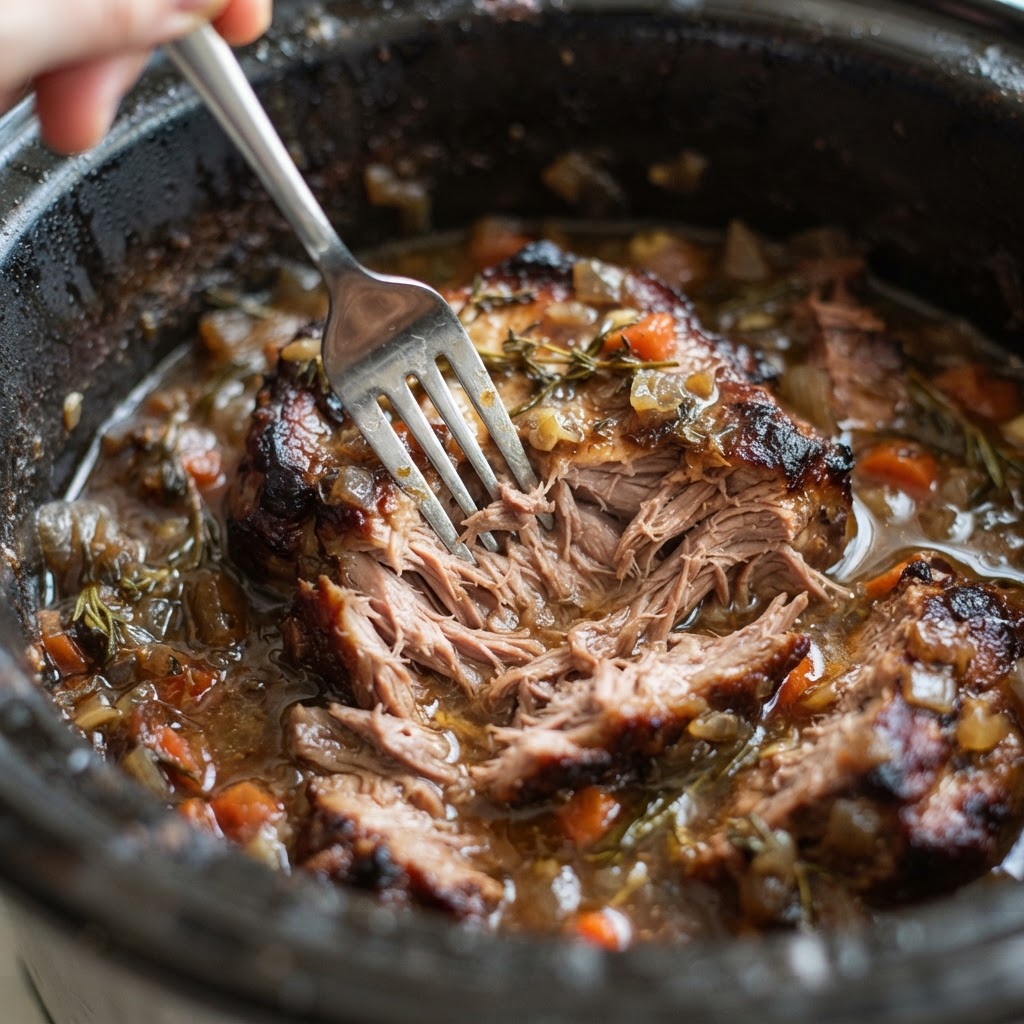
Ingredients You’ll Need
- 4 center-cut pork chops, 1-inch thick
- 1 tbsp olive oil
- 1 tsp kosher salt
- 0.5 tsp cracked black pepper
- 1 packet (1 oz) dry onion soup mix
- 1 can (10.5 oz) condensed cream of mushroom soup
- 0.5 cup low-sodium chicken broth
- 1 tbsp Worcestershire sauce
- 2 cloves garlic, minced
- 1 tbsp fresh parsley, chopped
Follow this clear, step-by-step guide to prepare this dish perfectly every time.
The Secret Ingredients for Moisture Retention
Achieving tender slow cooker pork chops often comes down to the liquid base you choose for the slow cooker environment. Relying solely on water or broth is a common mistake; instead, incorporate acidic components like apple cider vinegar, Dijon mustard, or a splash of apple juice to break down the surface proteins gently. Adding a small amount of fat, such as a tablespoon of butter or olive oil, creates a barrier that helps lock in natural juices.
Many home cooks also find that a slurry of cornstarch added during the final twenty minutes of cooking helps create a glossy, thick gravy that keeps the meat hydrated while serving. By curating your braising liquid, you transform a basic protein into a succulent dish that holds its moisture even after extended heating times. Acidic ingredients are particularly effective; a tablespoon of apple cider vinegar has a pH of approximately 3.0, which effectively tenderizes pork fibers by softening the protein structure without causing the rapid toughening associated with high-heat cooking.
Additionally, using a roux-based sauce like the cream of mushroom mixture provides a protective layer that insulates the pork from the direct, intense heat at the base of the ceramic insert.
Step-by-Step Cooking Technique
Mastering how to cook pork chops in slow cooker appliances begins with a quick sear in a hot cast-iron skillet to build a flavor-packed crust. While many recipes suggest throwing raw chops directly into the pot, browning the exterior provides a depth of flavor that is otherwise missing from slow-cooked meals. After searing, place the chops atop a bed of sliced onions and carrots, which act as a trivet to prevent the meat from scorching on the bottom of the vessel.
Pour your prepared sauce over the chops, cover tightly, and cook on the low setting for exactly three to four hours. Using the low setting is non-negotiable for tender results, as high heat toughens the proteins rapidly. To optimize, ensure your skillet reaches at least 400°F (204°C) before adding the pork; this ensures a rapid Maillard reaction.
This 60-second-per-side sear creates a crust that prevents the meat from falling apart during the long braise. Always keep the lid on; research indicates that each time you lift the lid to peek, the internal temperature can drop by 15-20 degrees, adding an extra 30 minutes of cook time to compensate for the lost heat.
Essential Prep Tips for Success
- Always pat the pork chops dry with paper towels before seasoning to ensure an even sear.
- Use bone-in chops if possible, as the bone helps insulate the meat and prevents overcooking.
- Season your pork generously with salt and pepper at least fifteen minutes before searing.
- Avoid lifting the lid frequently, as each time you do, heat and moisture escape the cooker.
Comparing Cooking Methods for Pork
Flavor Profiles and Aromatics
Enhancing Flavor Profiles with Aromatics
Integrating fresh herbs and aromatics elevates the best crockpot pork chops from a standard meal to an elegant dinner. Garlic cloves, sprigs of rosemary, and fresh thyme release their essential oils slowly into the sauce, infusing the pork with complex earthy notes. If you enjoy a touch of sweetness to balance the savory profile, try adding a tablespoon of brown sugar or honey to your sauce mixture.
Citrus zests, particularly orange or lemon, add a bright finish that cuts through the richness of the pork, ensuring the flavor profile remains balanced and appetizing for guests of all ages. Incorporating these aromatics at the start of the cycle is key; essential oils in rosemary and thyme are fat-soluble, meaning they will integrate better when mixed into the cream-based sauce than if they were sprinkled on at the end. For an even more complex flavor profile, try roasting a whole head of garlic until soft and whisking the cloves into your sauce; this adds a mellow, sweet umami flavor that perfectly complements the lean profile of the center-cut pork chops.
FAQ
Why do my pork chops always turn out dry in the slow cooker?
Your pork chops are drying out because they are overcooking or being exposed to high heat for too long, which squeezes out the internal moisture. Ensure you cook on the ‘Low’ setting for no more than 4-5 hours and use a thick, creamy sauce to act as an insulator.
Can I use lean boneless pork chops for this recipe?
Yes, you can use boneless chops, but they lack the bone’s insulation and will cook approximately 20-30% faster than bone-in cuts. Check the internal temperature at the 3-hour mark to prevent them from becoming tough, as they do not have the fat/bone buffer to forgive extra time.
Should I add vegetables to the bottom of the slow cooker?
Absolutely; placing vegetables underneath the meat acts as a rack, which prevents the pork from sitting in direct heat at the bottom of the vessel. This promotes even heat distribution and ensures the bottom of the chops do not overcook before the rest of the meat is done.
Is it necessary to brown the pork before slow cooking?
While browning is optional, it is highly recommended to develop a complex flavor crust via the Maillard reaction that cannot be achieved through wet-cooking methods alone. Spending 6 minutes to sear both sides will significantly increase the umami levels in your final gravy and sauce.
How do I know when the pork is safe to eat?
The USDA recommends an internal temperature of 145 degrees Fahrenheit for all pork cuts. Use a digital meat thermometer inserted into the thickest part of the chop to ensure you hit this temperature without overshooting it, which is the primary cause of dry, unpalatable pork.