
Easy Beef Stew Crock Pot Recipes for Beginners
To make an easy beef stew in a crock pot, combine 2 lbs of cubed chuck roast with carrots, potatoes, onions, and beef broth, then cook on the low setting for 7-8 hours. This method breaks down connective tissue for maximum tenderness while allowing flavors to meld into a rich, restaurant-quality meal.
Essential Ingredients for Success
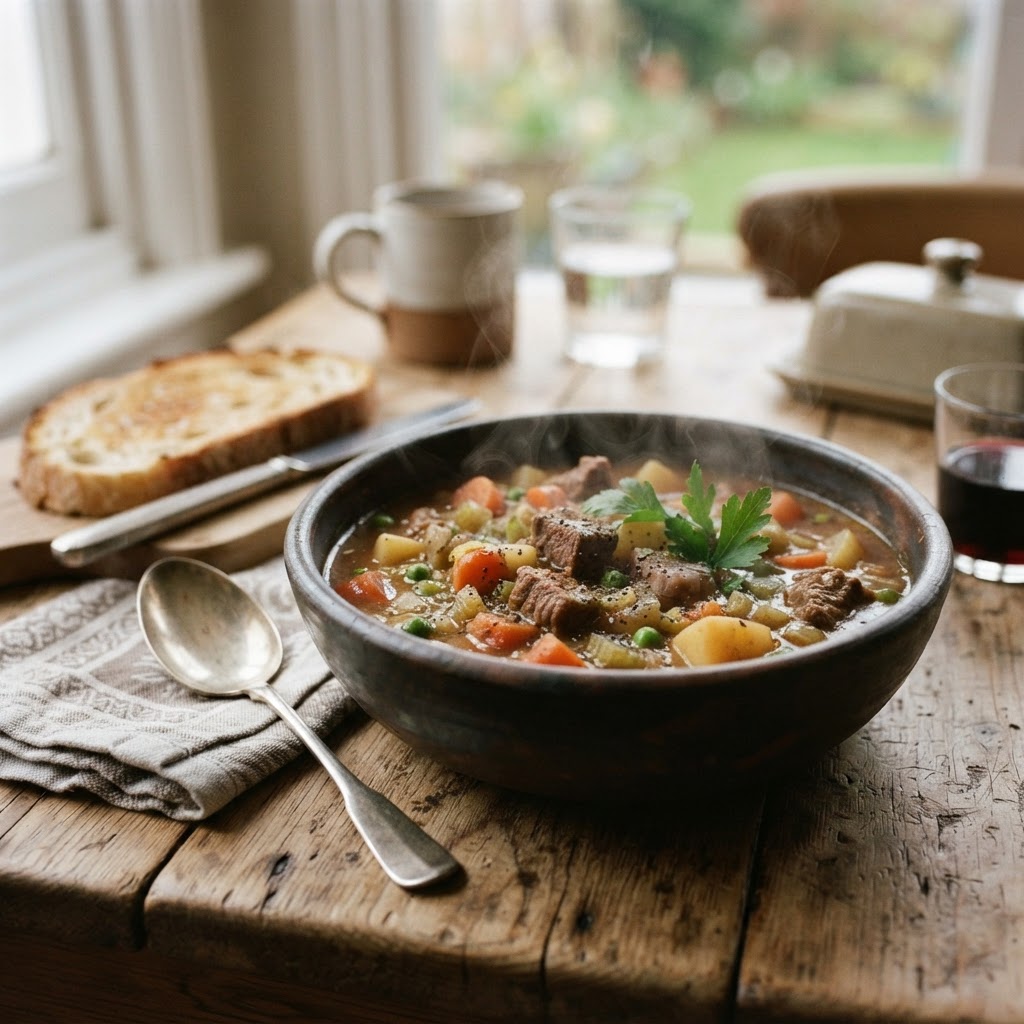
Selecting high-quality ingredients is the foundation of a successful crock pot beef stew, specifically focusing on cuts that thrive during long, moist heat cycles. Chuck roast is the industry standard for this dish because its high collagen content transforms into gelatin during the 8-hour cooking window, resulting in a velvety sauce and tender meat. Essential aromatics include yellow onions, fresh garlic, and celery, while root vegetables like Russet or Yukon Gold potatoes and thick-cut carrots provide the necessary heartiness.
To achieve a deep, complex flavor profile, incorporate a 1:2 ratio of dry red wine to high-quality beef broth and include one tablespoon of tomato paste for umami density. Avoid using lean cuts like top sirloin or round, as these lack the intramuscular fat and connective tissue required to survive a slow cooker without becoming dry or chalky. By sourcing fresh, firm vegetables and USDA Choice grade chuck roast, you ensure a consistent, professional outcome even at the beginner level.
Step-by-Step Recipe Instructions
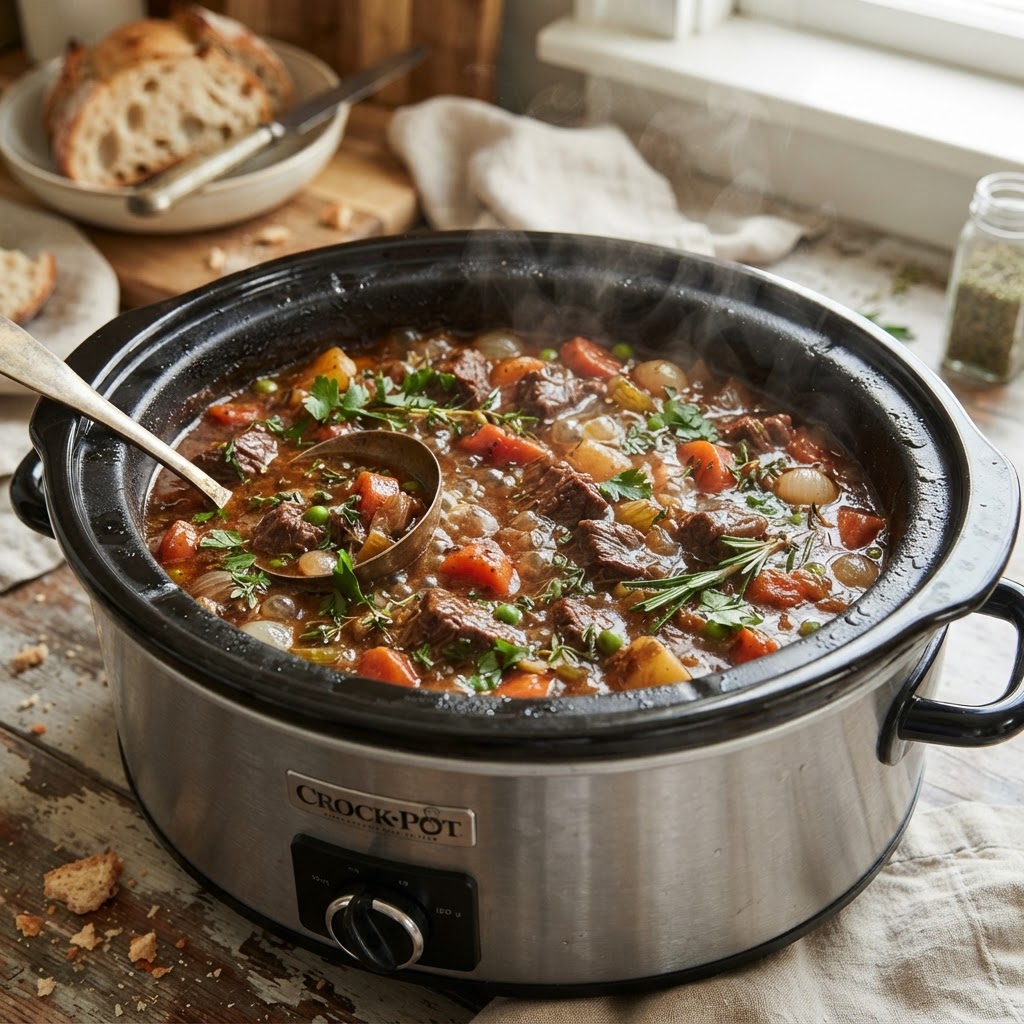
Ingredients You’ll Need
- 2 lbs beef chuck roast, cut into 1-inch cubes
- 3 tbsp all-purpose flour
- 1 tsp salt
- 1/2 tsp black pepper
- 2 cups beef broth
- 1 cup red wine
- 1 tbsp tomato paste
- 4 medium potatoes, peeled and cubed
- 3 large carrots, sliced
- 1 yellow onion, chopped
- 2 cloves garlic, minced
Follow this clear, step-by-step guide to prepare this dish perfectly every time.
Why Choice of Meat Matters
Understanding meat anatomy is critical for success, as different muscle groups respond uniquely to the slow cooker environment. A chuck roast or beef brisket is composed of tough muscle fibers held together by collagen, which is a protein that remains rigid at room temperature but melts into a luscious, liquid gold state when maintained between 160°F and 180°F for an extended period. Beginners often mistake “stew meat” bins at the grocery store for a high-quality shortcut; however, these pre-cut packs often contain a mix of different muscle groups, leading to uneven cooking where some chunks are tender and others are chewy.
By purchasing a whole chuck roast and cubing it into 1.5-inch pieces yourself, you ensure consistent fat distribution throughout every bite. Proper preparation of this cut is the difference between a mediocre stew and a restaurant-quality dish that features meat so tender it falls apart with the pressure of a fork.
Proper Preparation Techniques
Proper preparation is the secret behind every professional-grade crockpot beef stew for beginners. While the slow cooker is designed for “set it and forget it” convenience, taking five extra minutes to sear your beef cubes in a hot pan with a splash of oil before adding them to the pot creates a Maillard reaction. This chemical process, which occurs when amino acids and reducing sugars brown at high heat, adds a significant layer of complex, savory flavor that cannot be replicated through boiling alone.
Always pat your meat dry with paper towels to ensure a golden-brown crust rather than a steamed gray surface. Beyond searing, consider the size of your vegetable cuts; a 1-inch cube is the industry standard to ensure that carrots and potatoes become fork-tender at the exact same time the beef reaches peak juiciness. Uniformity is not just aesthetic—it is a functional necessity in a slow-cooker environment where the temperature rises slowly and stays relatively constant, giving you minimal control to “fix” unevenly cooked ingredients once the lid is locked in place.
Optimizing Your Slow Cooker Settings
Understanding how your appliance functions is crucial when learning how to make beef stew in a crock pot effectively. Most modern slow cookers feature a Low and High setting; for the best beef stew, always default to the Low setting for an eight-hour duration. A “Low” setting typically maintains a temperature of 190°F to 200°F, which is the perfect range for braising, while a “High” setting can reach 210°F to 212°F, which may boil the liquids and cause the meat to toughen by tightening the muscle fibers too quickly.
Avoid lifting the lid repeatedly during the cooking cycle, as each glance releases about 15-20 minutes of accumulated heat, forcing the cooker to restart its recovery phase. To further refine your results, consider the total fill volume; a slow cooker should be at least half-full but no more than three-quarters full for optimal heat distribution and moisture retention throughout the long cooking process.
The Secret to Thick and Savory Gravy
Achieving the perfect stew consistency is a common hurdle, but this easy beef stew crock pot recipe utilizes a simple finishing technique to guarantee a rich texture. Many beginners struggle with watery broth, which happens when the vegetables release excess moisture that dilutes the flavor profile of the base. To fix this, mix two tablespoons of cornstarch with three tablespoons of cold water to create a slurry.
Stir this mixture into the slow cooker during the final thirty minutes of cooking, switching the unit to high if needed to reach a brief, gentle simmer to activate the starch. This addition creates a glossy, thick gravy that clings to the beef and potatoes, providing that signature hearty mouthfeel that diners expect. If you prefer a more rustic thickener, you can also crush a few of the cooked potato chunks against the side of the pot, allowing the released potato starch to thicken the sauce naturally without the need for additional additives.
Comparison: Slow Cooker vs. Dutch Oven
As shown in this comparison, while a Dutch oven can produce a more intense flavor profile through evaporation and browning, the convenience of the slow cooker makes it the superior choice for beginners who need reliable, “set it and forget it” results for busy weeknights.
FAQ
Can I add frozen vegetables to my stew?
Yes, you can add frozen vegetables, but do so during the last hour of cooking to prevent them from becoming mushy and losing their structural integrity. Adding them too early in the cycle will cause the high water content of frozen produce to turn your stew base into an unappealing, watery soup.
Should I sear my beef before putting it in the crockpot?
Searing is highly recommended as it creates a savory crust that enhances the depth of the broth, though it is technically optional for the safety of the dish. This Maillard reaction adds complex notes of caramelized protein that are otherwise missing from slow-cooked meals.
Why does my beef still taste tough?
If the beef is tough, it usually means it has not been cooked long enough to break down the connective tissue; keep it on low for another hour. If the meat has already been shredded or is falling apart, then the toughness may be due to using a naturally lean cut that lacks the fat required for long-term braising.
How long can I safely store leftover beef stew?
Leftover stew can be stored in an airtight container in the refrigerator for up to four days or frozen for up to three months without losing quality. To reheat, thaw in the refrigerator overnight and heat gently on the stovetop, adding a splash of water if the sauce has thickened too much during storage.