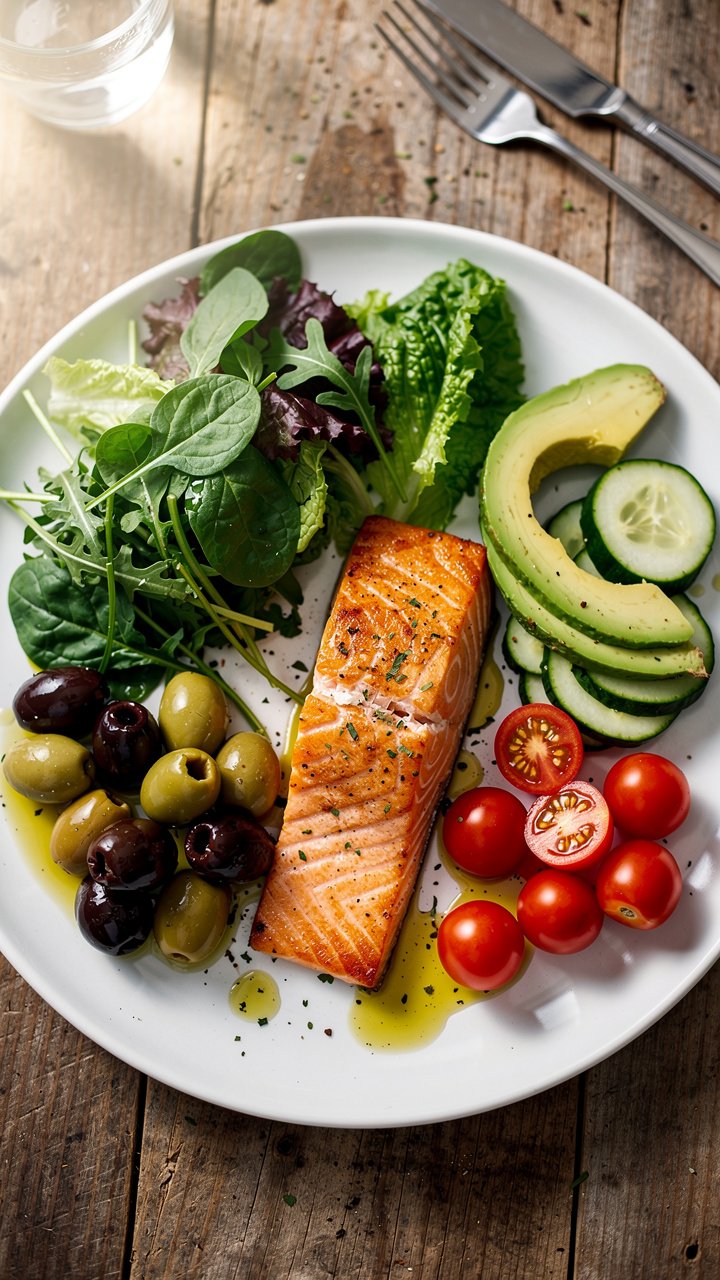
Introduction to 800 Calorie Mediterranean Keto
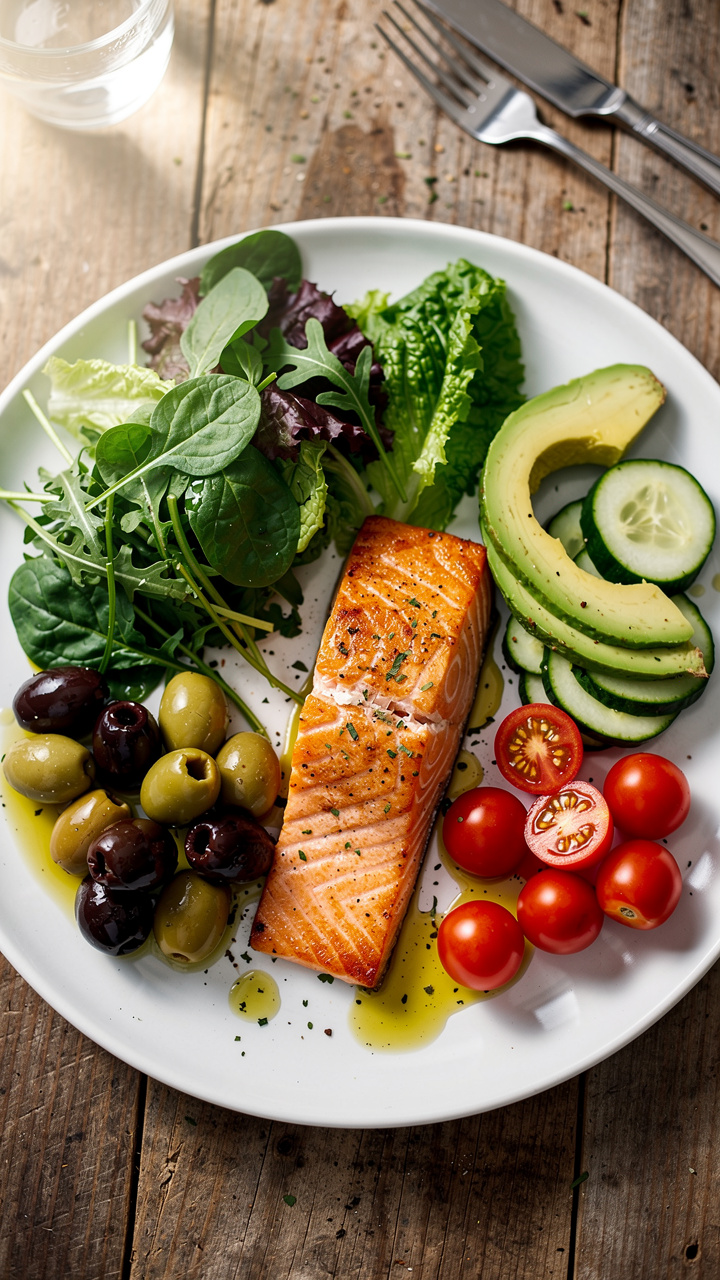
Step-by-Step Recipe Instructions
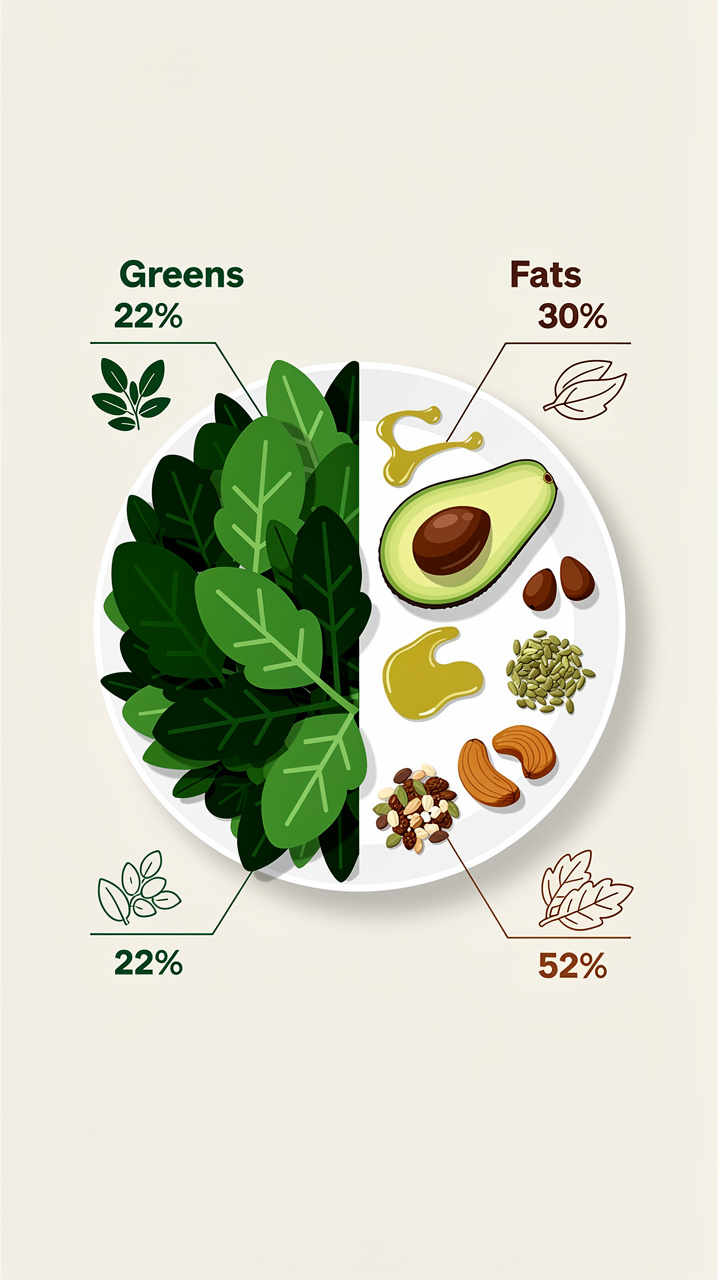
Ingredients You’ll Need
- 1 lb boneless skinless chicken thighs, trimmed
- 1 cup halved cherry tomatoes
- 0.5 cup chopped kalamata olives
- 2 tbsp extra virgin olive oil
- 1 tsp dried oregano
- 0.5 tsp sea salt
- 2 cloves garlic, minced
- 0.25 cup crumbled feta cheese
- 2 cups fresh baby spinach
Follow this clear, step-by-step guide to prepare this dish perfectly every time.
Starting an 800-calorie Mediterranean keto plan is a serious metabolic intervention. It combines the high-fat benefits of keto with the nutrient density of the Mediterranean diet. Maintaining ketosis at this low caloric level requires precision and careful planning.
Understanding Ketosis at Low Calorie Levels
Ketosis is a metabolic state where your body burns fat instead of glucose. When you eat only 800 calories, your body taps into stored adipose tissue rapidly. The Mediterranean focus adds anti-inflammatory fats like olive oil and omega-3 fatty acids. This synergy can enhance weight loss while supporting heart health and reducing inflammation.
Practical Tips for Nutrient Density
To succeed on an 800-calorie budget, every bite must count towards your micronutrient needs. Prioritize leafy greens like arugula and spinach for essential minerals. Choose high-quality protein sources like wild-caught sardines or organic chicken to maintain muscle mass. Use extra virgin olive oil as your primary fat source to hit caloric targets.
Common Mistakes to Avoid
Many beginners fail by neglecting electrolytes while on a very low-calorie diet. Sodium, magnesium, and potassium are critical when your insulin levels drop drastically. Another common error is consuming hidden carbohydrates from sauces, dressings, or processed low-carb snacks. Always verify labels to ensure your intake stays strictly under 20 grams of net carbs.
Myths vs. Facts
One common myth is that low-calorie keto will destroy your metabolic rate permanently. In reality, intermittent calorie restriction can actually improve insulin sensitivity and mitochondrial function. Another myth is that you must eat constant heavy cream to get enough fat. Healthy fats like avocados and nuts provide better satiety and nutrient profiles for long-term health.
A Step-by-Step Meal Prep Strategy
Start by calculating your exact macros based on your lean body mass. Prepare your proteins in bulk, weighing them strictly to hit your caloric ceiling. Portion your healthy fats into small containers to avoid accidental overconsumption during the day. Keeping a simple, repetitive menu for the first week reduces decision fatigue and keeps you within limits.
FAQ: Is 800 Calories Sustainable?
Sustainability depends on your activity level and body composition. For most, 800 calories is a short-term intervention phase rather than a permanent lifestyle choice. Consult a healthcare provider before committing to such a low-calorie intake for longer than four weeks.
FAQ: How Do I Stop Feeling Hungry?
Increase your fiber intake through non-starchy vegetables like zucchini or cucumber. Drink at least three liters of water daily to maintain fullness and hydration. Protein is the most satiating nutrient, so ensure you hit your target intake early in the day to prevent evening cravings.