Introduction to the 6-Week Keto Fat Burning Routine.
Embarking on a ketogenic lifestyle requires more than just changing your food intake. You need a structured approach that integrates nutrition with physical activity for maximum results. This 6-week plan focuses on metabolic flexibility and consistent movement to accelerate fat loss safely.
By aligning your grocery shopping with structured walking sessions, you create a sustainable fat-burning machine. Let us dive into the mechanics of this life-changing routine.
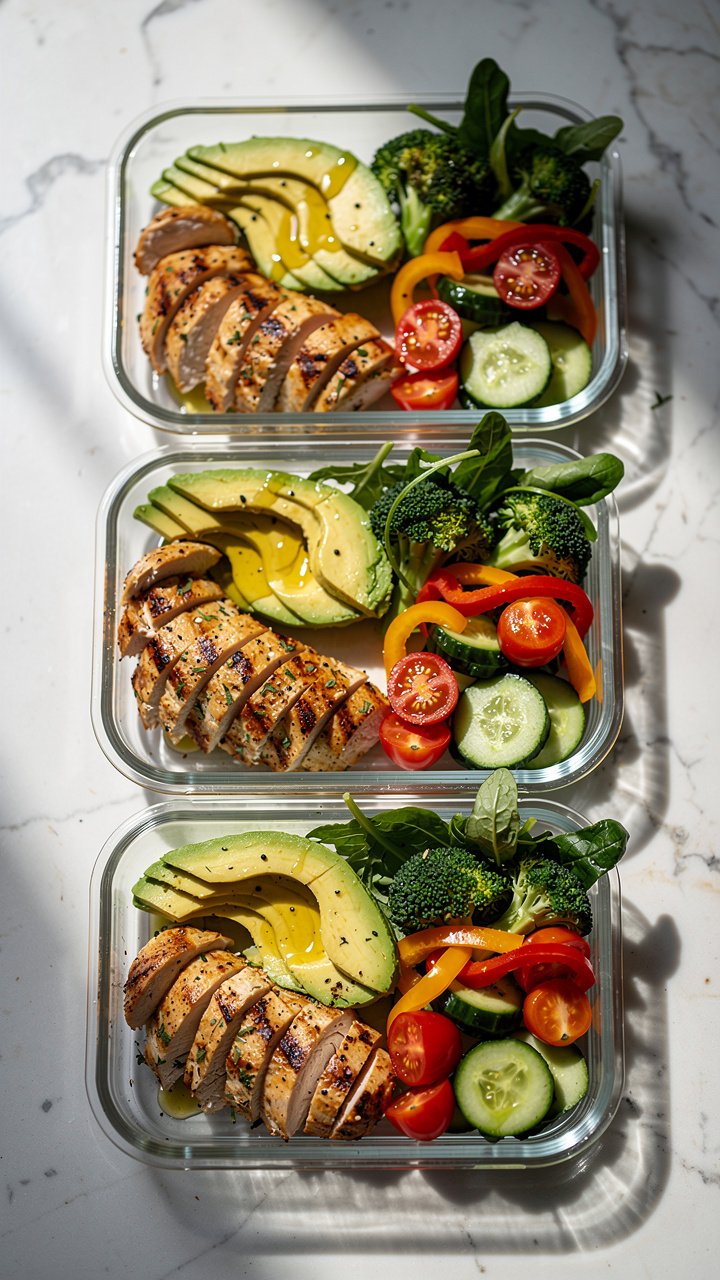
The Power of Meal Prep on Keto.
Planning your meals is the cornerstone of success when following a strict ketogenic diet. Without a plan, you might reach for convenient, non-keto snacks when hunger strikes unexpectedly. Spend your Sunday afternoons preparing batches of leafy greens, proteins, and healthy fats.
Having containers ready in your fridge eliminates the guesswork and keeps your macros aligned perfectly. Consistency in your kitchen leads to consistency in your physiological state.
Walking for Metabolic Health.
Daily walking is an underrated tool for boosting your fat oxidation rates significantly. Unlike high-intensity exercise, walking is gentle on your joints and does not spike cortisol. Aim for thirty to sixty minutes of brisk walking every single day.
This steady-state cardio encourages your body to utilize stored body fat for energy. It also aids in digestion and helps regulate blood sugar levels after your meals.
Phase 1:
Weeks 1-2 Establishing the Foundation. Before you begin, reading these real transformation stories and progress can provide the extra motivation needed to stay committed to your own 6-week journey. The first two weeks are all about adapting your body to a new fuel source.
Focus strictly on tracking your net carbohydrates to ensure you enter nutritional ketosis. During this phase, your energy levels might fluctuate as your body becomes fat-adapted. Prioritize electrolytes like sodium, magnesium, and potassium to avoid the dreaded keto flu.
Use this time to build the habit of walking immediately after dinner.
Phase 2:
Weeks 3-4 Optimizing and Refining. By week three, you should notice improved mental clarity and reduced cravings for sugar. Now is the time to optimize your portions based on your actual hunger signals.
Continue your meal prep but experiment with new recipes to prevent diet fatigue. Incorporate longer walking sessions on the weekends to increase your overall caloric expenditure. Listen to your body and adjust your fat intake if you feel overly fatigued.
Phase 3:
Weeks 5-6 Maximizing Results. As you enter the final two weeks, consistency remains your most important ally. Assess your progress and make small adjustments to your daily caloric intake.
Ensure your walks are brisk enough to slightly elevate your heart rate. This period is often where the most significant body composition changes become visible. Stay committed to the process, as the momentum you have built will carry you forward.
Common Mistakes and How to Avoid Them.
Many beginners fail because they consume too much protein while forgetting the importance of fats. Keto is a high-fat, moderate-protein, and low-carb diet, so adjust your plate proportions accordingly. Another common mistake is neglecting hydration and essential mineral intake during the adjustment phase.
Furthermore, do not skip your daily walks just because you had a busy workday. Even a quick twenty-minute stroll is better than skipping your movement goals entirely. Remember that small, daily efforts compound over the six-week duration for massive long-term results.
Myths vs Facts in Keto Fat Loss.
A major myth is that all fats are created equal for the ketogenic diet. The reality is that you must prioritize healthy fats like avocado, olive oil, and nuts. Avoid inflammatory vegetable oils that can negate the anti-inflammatory benefits of the keto lifestyle.
Another myth suggests you must exercise intensely to lose weight on keto. The fact is that walking is sufficient and often better for recovery and long-term adherence. Focus on steady progress rather than chasing intense exercise sessions that lead to burnout.
A Practical Checklist for Success.
Start your week by writing down every meal you intend to eat by Friday. Use a food scale to ensure your portion sizes match your daily goals. Schedule your daily walks as non-negotiable appointments in your personal calendar.
Keep a hydration bottle with you throughout the day to support your metabolic functions. Finally, track your progress using measurements rather than just the number on the scale. These small actions provide the structure necessary to guarantee your success in six weeks.
FAQ:
Addressing Your Keto Concerns. Q: Can I drink coffee while following this 6-week keto routine? A: Yes, black coffee is acceptable, but avoid adding sugars or high-carb creamers.
Stick to heavy cream or MCT oil if you need an energy boost. Q: What if I miss a day of walking during the program? A: Do not let one missed day derail your motivation.
Simply resume your walking routine the very next morning without guilt or hesitation. Q: Is it necessary to track calories as well as net carbs? A: While carbs are the priority, tracking calories helps ensure you are not overeating fats.
This creates the necessary deficit for consistent fat loss over time.