
Finding the perfect substitute for traditional wheat products is a top priority for those following a ketogenic diet. This Keto Bread Comparison Chart breaks down the textures, preparation times, and nutritional profiles of 90-second mug bread, chaffles, and keto loaves, helping you choose the best option based on your busy schedule and flavor preferences.
The Evolution of Keto Baking
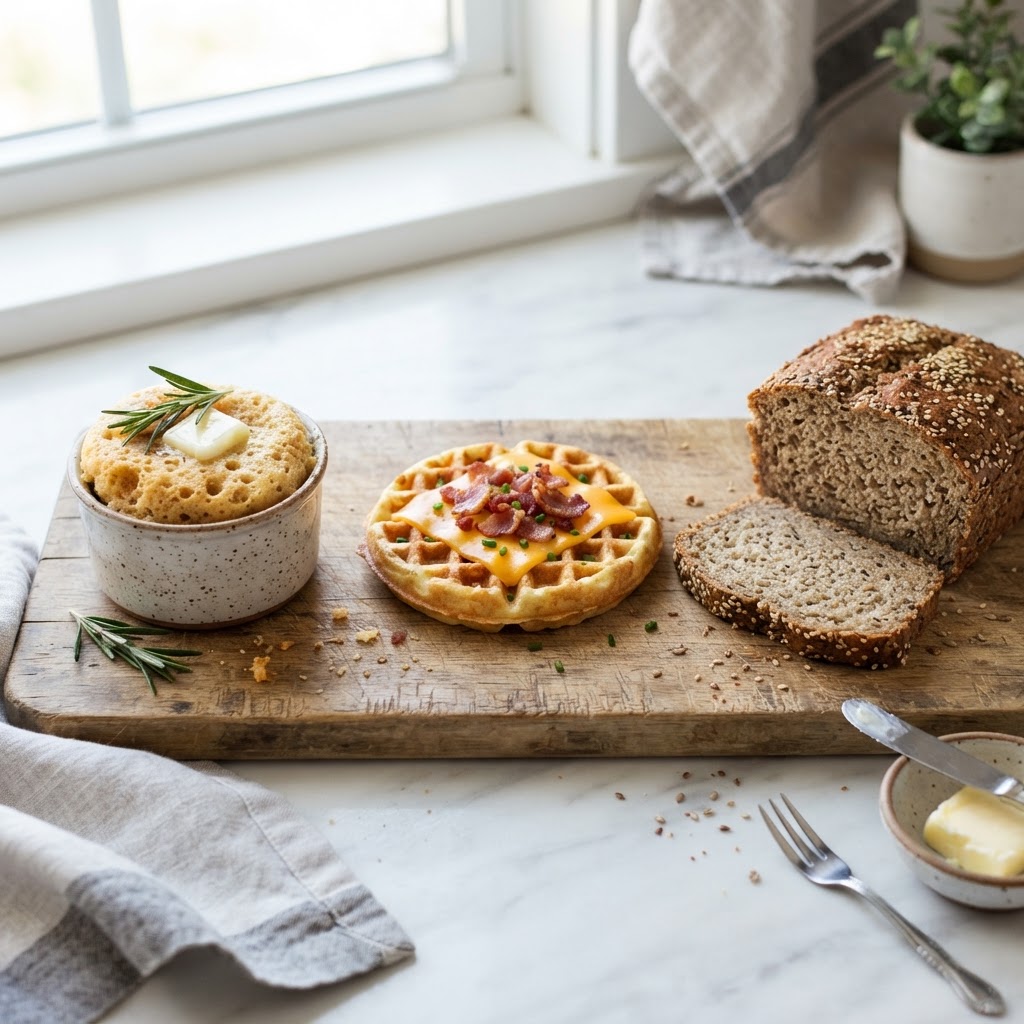
Low-carb baking has revolutionized the ketogenic diet, transforming how we view bread substitutes. Traditional bread relies on wheat flour for gluten structure, but keto alternatives utilize almond flour, coconut flour, and various binders to achieve stability. Our Keto Bread Comparison Chart reveals that each method serves a distinct purpose, ranging from quick single-serve portions to sandwich-ready loaves. Understanding the chemistry behind these alternatives allows you to bake with confidence, knowing exactly how ingredients like psyllium husk or eggs function in your recipe.
Step-by-Step Recipe Instructions
Ingredients You’ll Need
- 2 cups almond flour
- 4 large eggs
- 1/2 cup melted butter
- 1/2 cup shredded mozzarella cheese
- 2 tsp baking powder
- 1 tsp garlic powder
- 1/2 cup heavy cream
- 1/4 cup chopped fresh chives
- 1/2 tsp sea salt
Follow this clear, step-by-step guide to prepare this dish perfectly every time.
Understanding 90-Second Mug Bread
90-second mug bread is the ultimate solution for those requiring instant gratification or portion-controlled ketogenic diet snacks. By combining flour, fat, and a leavening agent in a microwave-safe container, you can produce a warm bread substitute in under two minutes. This method is exceptionally popular for its convenience, though the texture can lean toward spongy or moist compared to traditional oven-baked goods. It is perfect for breakfast sandwiches or toast points when time is of the essence.
The Versatility of Chaffles
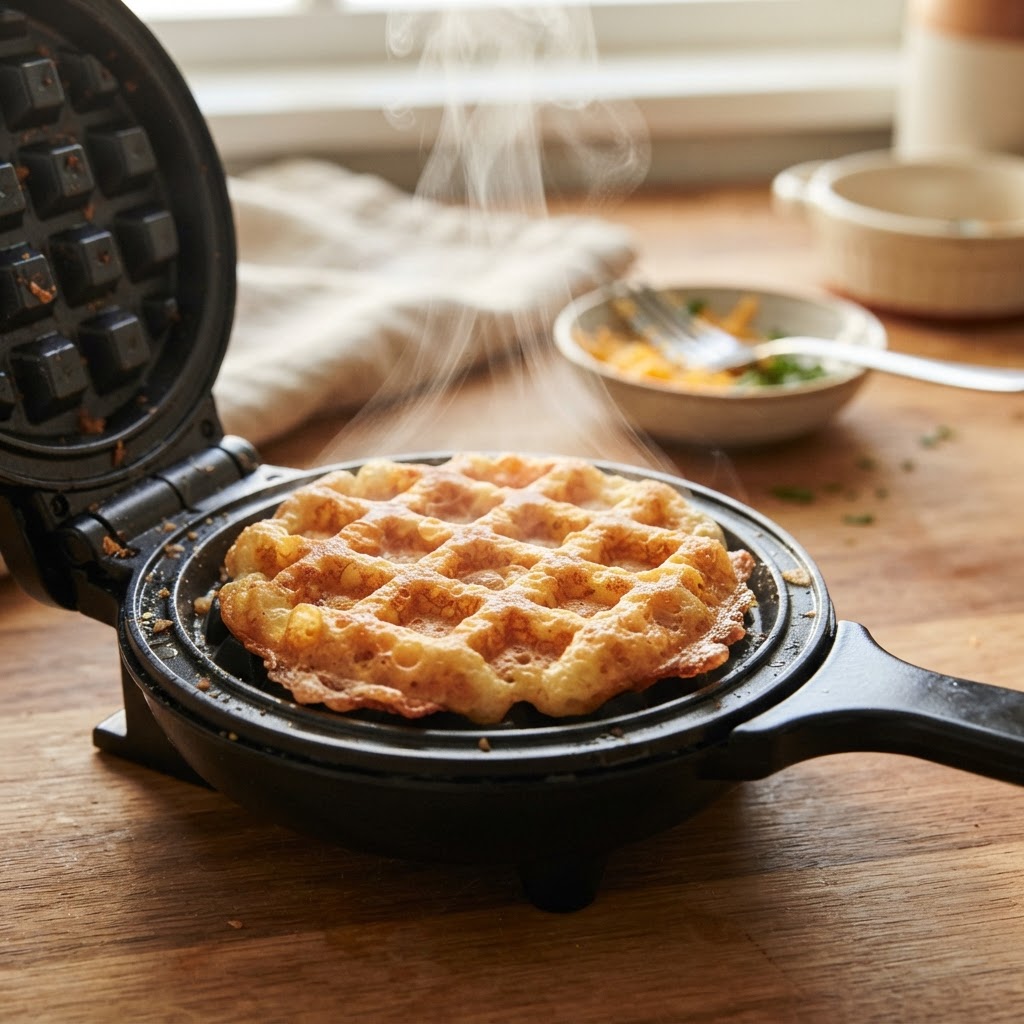
Chaffles, a portmanteau of cheese and waffles, have taken the keto world by storm due to their incredible structural integrity. Unlike other bread alternatives, chaffles use mozzarella cheese as the primary “dough,” which creates a crispy exterior and a chewy interior when cooked in a mini waffle iron. They are naturally gluten-free and require minimal ingredients, making them the most cost-effective entry point for beginners. Their ability to hold up under hot toppings or cold deli meats makes them a staple for any serious low-carb enthusiast.
Why Chaffles Outperform Other Substitutes
The secret to the chaffle lies in the Maillard reaction that occurs against the hot iron plates. While mug bread steams in the microwave, the chaffle caramelizes, providing a satisfying crunch that mimics toasted wheat bread perfectly. Furthermore, they are highly customizable; you can add herbs, garlic powder, or even cocoa powder to create savory or sweet variations depending on your meal plan.
Deep Dive into Keto Loaves
Keto loaves are the closest approximation to artisanal sandwich bread, offering the density and versatility required for hearty meals. Baking a full loaf requires more patience and specific ingredients like xanthan gum or vital wheat gluten to mimic the elasticity of traditional yeast breads. While these recipes are more time-consuming and prone to “eggy” profiles if not balanced correctly, they remain the gold standard for school lunches or classic BLT sandwiches. Using a Keto Bread Comparison Chart helps you identify when the extra effort of oven-baking is worth the payoff.
Nutritional Comparison and Efficiency
When analyzing the macros, it is important to weigh the caloric density of these alternatives. While loaves offer the most bread-like experience, they are often higher in almond flour, which increases the total calorie count significantly. Chaffles provide a more fat-forward profile due to the cheese content, while mug breads are generally lower in calories but lack the fiber density found in high-quality loaf recipes. Below is an original breakdown of efficiency ratings based on preparation time versus satiety.
Mastering Low-Carb Baking Tips
Success in low-carb baking relies on understanding the unique properties of almond and coconut flour. Almond flour provides a nutty, savory base, while coconut flour acts as a sponge, absorbing liquids and adding density. Always measure by weight if possible to avoid the common mistake of over-packing your flour, which can lead to dry or crumbly results. Adding a small amount of apple cider vinegar can also help neutralize the “eggy” aftertaste that often plagues keto-friendly bread alternatives.
FAQ
Is 90-second mug bread actually keto-friendly?
Yes, when made with almond or coconut flour, 90-second mug bread fits perfectly into a ketogenic diet by keeping net carbs minimal while providing a vehicle for healthy fats like butter or avocado oil.
Can I make a keto loaf without eggs?
It is possible to use flax or chia “eggs” or commercial egg replacers, though the structural integrity will change significantly, often resulting in a more delicate and crumbly bread.
How long do chaffles last in the fridge?
Chaffles can be stored in an airtight container for up to three days or frozen for one month. Simply reheat them in a toaster or air fryer to regain their signature crispness.
Which keto bread is best for burgers?
Chaffles are widely considered the best option for burgers because they are sturdy enough to hold heavy toppings without falling apart, unlike many fragile loaf recipes.
Conclusion
Choosing the right bread for your ketogenic lifestyle doesn’t have to be a guessing game. Whether you need the lightning-fast convenience of 90-second mug bread, the crispy versatility of chaffles, or the traditional feel of a keto loaf, each has its place in your pantry. Use this Keto Bread Comparison Chart as your guide to mastering low-carb baking and keeping your diet delicious, varied, and on track for long-term success.