
Introduction to the Challenge.
Many women over 50 face rising inflammation, joint pain, and metabolic shifts. This 7-day low-carb anti-inflammatory challenge helps you regain control of your body. We focus on nutrient-dense foods that lower insulin and fight oxidative stress naturally.
This isn’t a fad diet but a sustainable path to feeling vibrant and energized again. By eliminating processed sugars, you provide your body the space to heal and repair tissue. Let’s embark on this week-long journey to revitalize your metabolism and your health today.
The Science of Inflammation After 50.
As we age, our bodies experience ‘inflammaging,’ a state of chronic low-grade inflammation. This process accelerates aging and contributes to heart disease and metabolic issues. Low-carb eating helps by reducing high blood sugar, a major trigger for inflammatory chemicals.
When you lower glucose levels, your body shifts from burning sugar to burning fat. This shift reduces the systemic stress that makes you feel tired or sluggish daily. You will likely notice reduced joint pain and clearer thinking within just one week.
Common Mistakes to Avoid.
One common mistake is cutting carbohydrates without replacing them with healthy fats. If you don’t eat enough fats, you will feel weak and hungry quickly. Ensure you include olive oil, avocados, nuts, and seeds in every single meal.
Another error is neglecting hydration while transitioning to a lower carbohydrate intake level. Your body loses water weight quickly, so increase your intake of electrolytes significantly. Avoid fear-mongering regarding red meat or saturated fats when consumed in moderation.
Focus on whole, unprocessed foods rather than store-bought low-carb snack bars or shakes. These products often contain hidden inflammatory additives and artificial sweeteners that disrupt digestion. Keep your meals simple, focusing on leafy greens and high-quality protein sources.
Myths vs Facts in Anti-Inflammatory Nutrition.
Many believe that all fats are bad, but healthy fats are essential for hormones. In reality, fat is the primary fuel source for a stable, healthy metabolism. Another myth is that you must cut all carbohydrates to see real results.
You do not need zero carbs; you just need to avoid processed grains. Fact: berries are excellent for you because they are high in antioxidants. Vegetables like broccoli and cauliflower are perfect for managing insulin while providing fiber.
Do not let outdated dietary advice prevent you from enjoying nutrient-rich foods daily. Consistency with high-quality protein is far more important than counting every single calorie. Listen to your body and prioritize how you feel over rigid scale weight.
A Quick Checklist for Success.
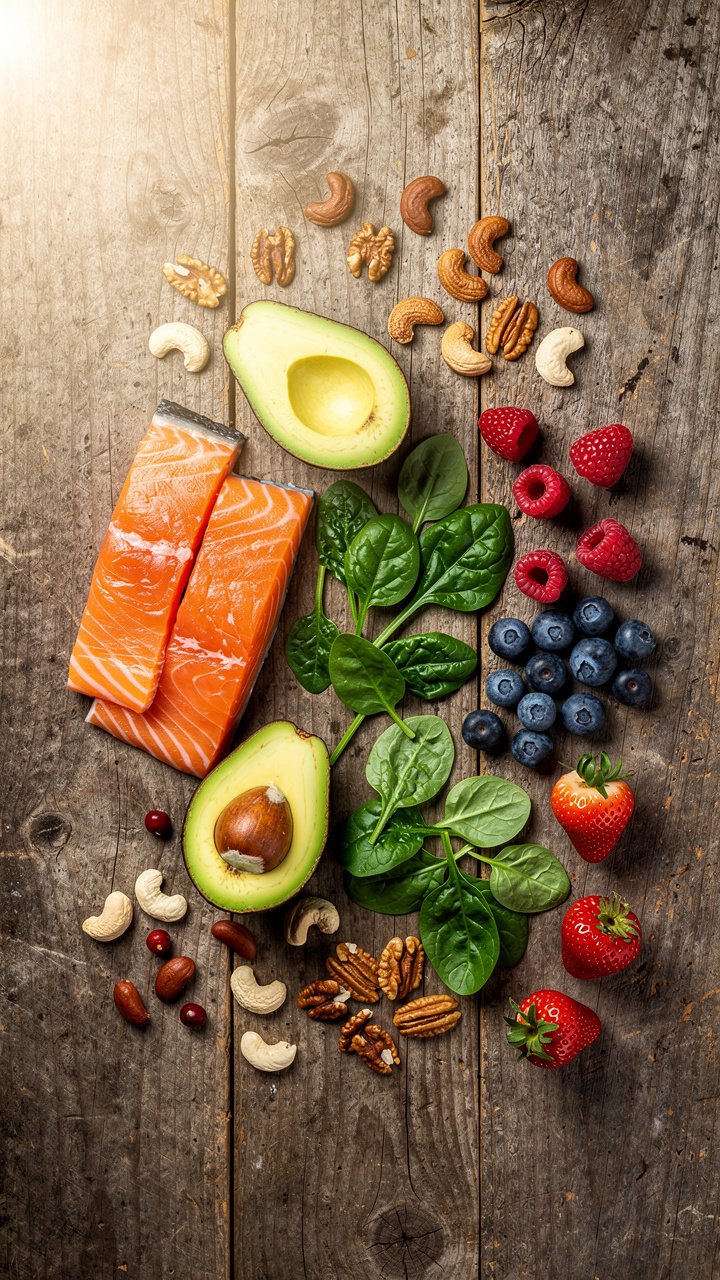
Before you begin day one, clear your pantry of hidden sugar sources. Stock your refrigerator with fresh salmon, leafy greens, eggs, and healthy fats. Plan your dinners for the entire week to ensure you have fresh options.
Buy a good quality sea salt to help manage your electrolyte balance properly. Check your calendar for any social events that might tempt you to cheat. Prepare a list of compliant snack options like almonds or celery with hummus.
Aim to walk at least twenty minutes daily to support your metabolic health. Finally, track your energy levels in a journal every single evening.
Step-by-Step Transition Guide.
Start your journey by removing all sodas and sugary juices from your home. On day one, focus on consuming only whole foods like grilled chicken breast. Add a large serving of cruciferous vegetables to every lunch and dinner plate.
By day three, you may feel mild fatigue as your body adjusts. This is normal and means your body is burning through stored glycogen levels. Increase your water intake by adding a pinch of salt to your glass.
Stay patient with yourself while your hormones stabilize and your energy returns steady. Focus on incorporating colorful vegetables to ensure you get a broad micronutrient profile. End the week by celebrating your improved mood and better quality of sleep.
Real-World Example:
A Day of Eating. For breakfast, enjoy two scrambled eggs with spinach cooked in grass-fed butter. Lunch consists of a large salad topped with grilled salmon and olive oil. Snack on a handful of walnuts or a few slices of avocado.
Dinner is grass-fed beef served with roasted cauliflower and a fresh garden salad. Drink plenty of water or herbal teas throughout the entire day for hydration. This structure keeps your blood sugar stable while keeping you full and satisfied.
You will notice that you don’t experience the mid-afternoon energy slump anymore. This is the power of a stable, low-carb anti-inflammatory nutritional approach for women.
Frequently Asked Questions.
Q: Is it safe for women over 50 to lower carbohydrates? A: Yes, it is safe, provided you consume enough healthy fats and proteins. Always consult your primary care doctor if you take medications for diabetes.
Q: Will I lose muscle mass while doing this seven-day challenge? A: You will protect muscle mass by eating sufficient high-quality protein sources daily. Resistance training further ensures your body maintains strong, lean muscle tissue easily.
Q: What if I have a cheat meal during the week? A: Don’t worry, just get back on track at your next meal immediately. One mistake does not define your progress or negate all your health efforts.

Step-by-Step Recipe Instructions

Ingredients You’ll Need
- 2 lbs wild-caught salmon fillets, skin removed and cubed
- 2 cups organic vegetable broth
- 1 cup chopped kale
- 1 cup sliced cremini mushrooms
- 1/2 cup diced celery
- 1/4 cup extra virgin olive oil
- 1 tbsp minced fresh ginger
- 2 cloves garlic, minced
- 1 tsp ground turmeric
- 1/2 tsp sea salt
- 1/4 tsp cracked black pepper
Follow this clear, step-by-step guide to prepare this dish perfectly every time.