
Introduction to Hormonal Shifts After 50.
Entering your fifties brings significant hormonal changes. Metabolic flexibility often shifts, making stress management vital. Low-carb diets are effective but can increase cortisol. Understanding this relationship is key to longevity. You must prioritize recovery alongside your dietary choices.
Why Cortisol Rises on Low-Carb Diets.
When you restrict carbohydrates significantly, the body can perceive this as a stressor. The adrenal glands may produce more cortisol to maintain blood sugar levels. This is a survival mechanism known as gluconeogenesis.
For those over 50, this process can feel more taxing. Chronic elevation of this hormone can lead to stubborn belly fat. It can also disrupt your sleep quality significantly.
You must learn to monitor your body’s specific stress signals. Listen for signs like fatigue despite high energy efforts.
Common Mistakes to Avoid.
One major mistake is excessive fasting alongside low-carb eating. Intermittent fasting is powerful but can stress aging adrenals. Keep fasting windows moderate to avoid triggering cortisol spikes.
Another error is overtraining with high-intensity interval workouts. Your body needs restorative movement more than intense physical stress. Aim for strength training paired with gentle walking routines.
Neglecting electrolyte balance is also a common pitfall. Deficiencies in magnesium or potassium can worsen stress responses. Always prioritize hydration and mineral intake every single day.
Practical Tips for Adrenal Support.
Incorporate nutrient-dense foods that support endocrine function. Focus on healthy fats like avocado, olive oil, and nuts. Include adaptogenic herbs like ashwagandha to help modulate stress.
These herbs can provide a buffer against physical exhaustion. Prioritize quality protein to sustain muscle mass over 50. Muscle is metabolically active and supports hormonal equilibrium.
Ensure you get at least seven hours of restful sleep. Sleep is the primary window for resetting cortisol levels. Keep your bedroom cool and dark for better recovery.
A Step-by-Step Approach to Adjusting.
Start by tracking your morning energy levels daily. If you feel wired but tired, reduce your exercise intensity. Gradually increase complex carbohydrates if cortisol markers remain high.
Small additions like berries or cruciferous vegetables can help. Monitor your sleep latency and total hours consistently. Use a wearable device if it helps keep you accountable.
Reassess your dietary macros every few weeks for balance. Consistency is more important than achieving perfection immediately. Always consult with a doctor regarding blood work analysis.
Myths vs Facts About Cortisol.
Many believe that all cortisol is inherently bad. In reality, you need cortisol for daily energy regulation. The problem arises when it stays high for too long.
Low-carb is not the enemy of hormonal health. It is the mismanagement of stress that causes problems. Do not fear healthy carbohydrates in moderate, whole-food forms.
They can actually support thyroid function in some individuals. Balance is always about personal bio-individuality and data.
Quick Action Checklist.
- Evaluate your sleep hygiene for better recovery. 2. Incorporate magnesium glycinate before heading to bed. 3. Swap one HIIT session for a long walk. 4. Add leafy greens to every single main meal. 5. Practice five minutes of deep breathing before eating. 6. Review your caffeine intake to prevent nervous system stimulation. 7. Consult a professional about baseline hormonal blood panels.
Frequently Asked Questions.
Q: Can I stay low-carb while managing stress? A: Yes, prioritize slow-burning fats and adequate protein intake. Avoid extreme calorie deficits that trigger a hunger response. Q: How do I know if my cortisol is high? A: Common signs include poor sleep, increased anxiety, and weight gain. Blood or saliva tests can provide clinical clarity.

Step-by-Step Recipe Instructions
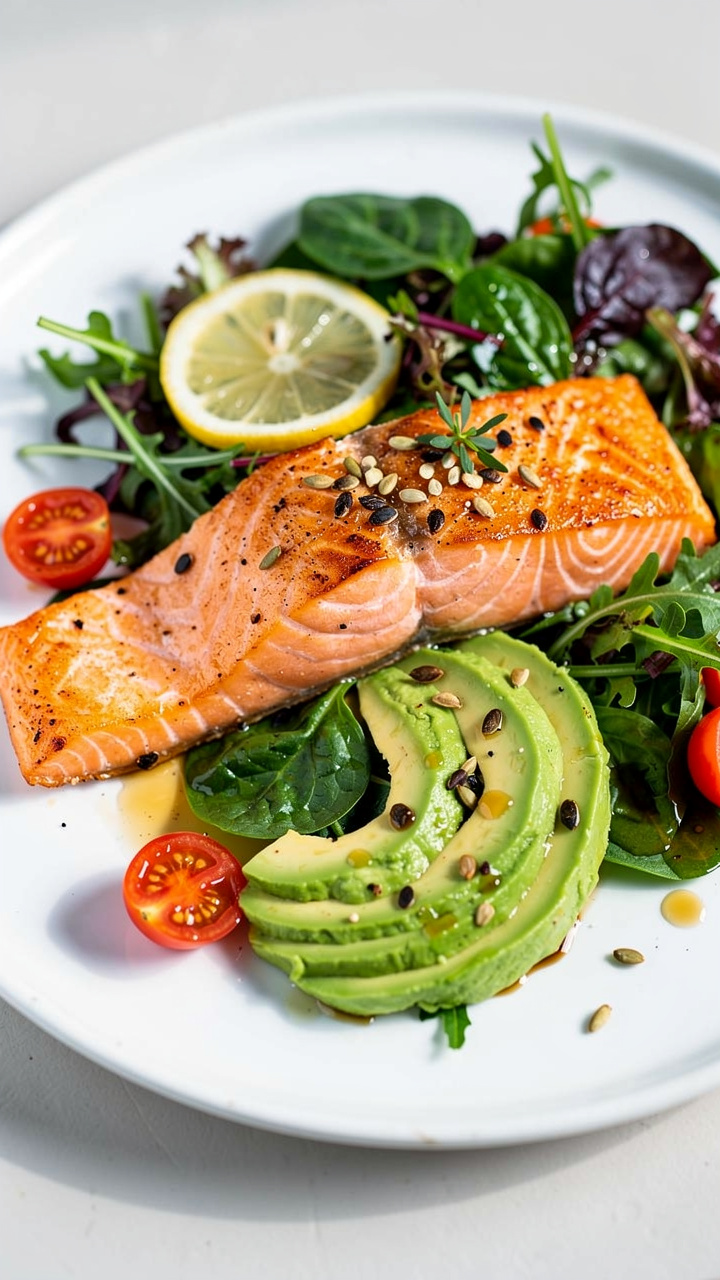
Ingredients You’ll Need
- 2 lbs grass-fed beef chuck roast, cubed
- 1 cup sliced organic cremini mushrooms
- 2 cups chopped kale
- 1 cup bone broth
- 2 tablespoons avocado oil
- 1 teaspoon ground turmeric
- 1 teaspoon sea salt
- 1/2 teaspoon cracked black pepper
- 1/2 cup chopped walnuts
Follow this clear, step-by-step guide to prepare this dish perfectly every time.