
Introduction to The Fast 800 Keto.
The Fast 800 Keto diet combines two powerful nutritional strategies: calorie restriction and ketogenic eating. Created by Dr. Michael Mosley, this approach aims to jumpstart weight loss through a strictly monitored, low-calorie window. By limiting intake to 800 calories daily while maintaining ketosis, the body shifts from burning glucose to burning stored fat.
This rapid shift can lead to significant changes in body composition and metabolic markers. However, such a restrictive protocol raises important questions regarding safety, long-term adherence, and physiological impact.
Is 800 Calories Safe?
The safety of an 800-calorie diet depends heavily on individual health status and duration. For many, this represents a severe energy deficit that can lead to nutrient deficiencies if not carefully managed. Short-term use under medical supervision has shown benefits for type 2 diabetes reversal and insulin sensitivity.
However, sustained 800-calorie intake without guidance risks muscle loss, fatigue, and gallbladder issues. It is essential to consult a healthcare provider before embarking on such a aggressive caloric reduction.
Practical Tips for Success on 800 Calories.
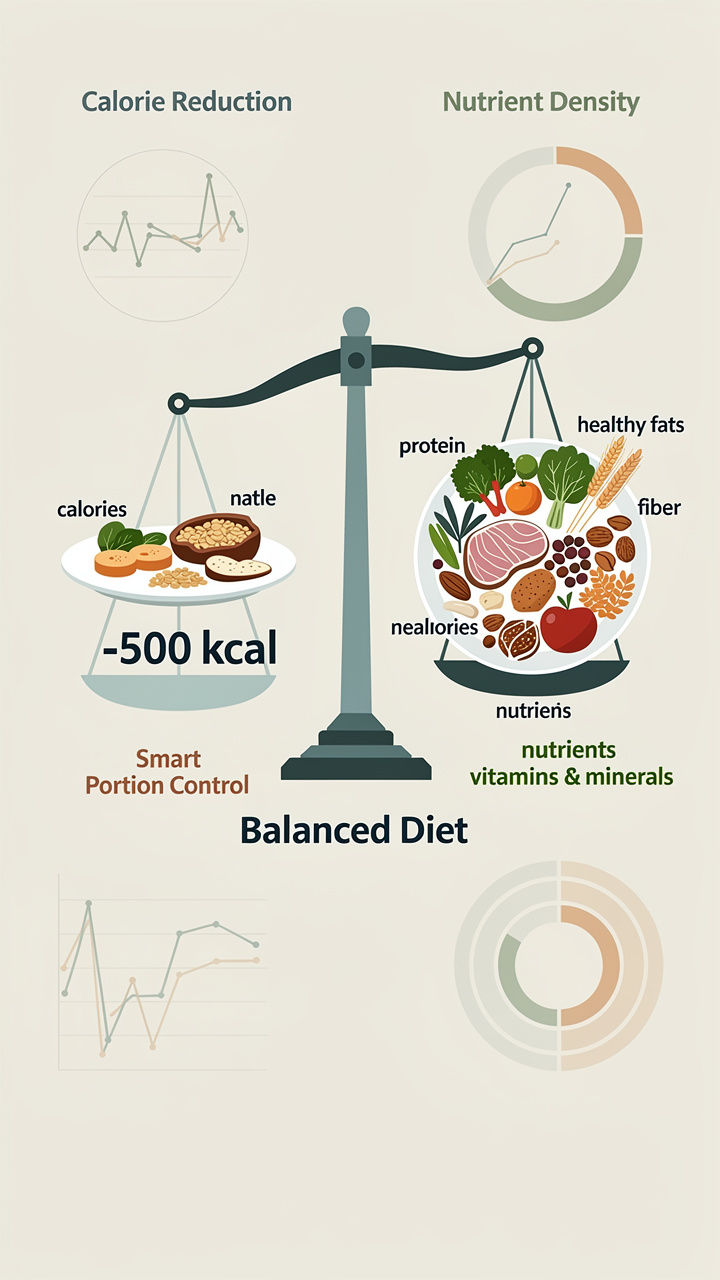
Maintaining an 800-calorie diet requires extreme precision. Focus your meals on nutrient-dense, high-volume foods that provide satiety without excess energy. Leafy greens, cruciferous vegetables, and high-quality proteins are your best friends during this phase.
Planning every meal in advance prevents impulsive choices that can ruin your progress. Keep track of your electrolytes, specifically sodium, magnesium, and potassium. Low-calorie dieting often causes mineral depletion, leading to the dreaded keto flu.
Hydration is equally important to manage hunger signals and support metabolic function. Consider using a digital food scale to ensure your portion sizes remain accurate. Small deviations add up quickly when your budget is limited to 800 calories.
Common Mistakes to Avoid.
One common error is neglecting protein intake, which causes muscle wasting instead of fat loss. Prioritize protein at every single meal to protect your lean mass. Another mistake is ignoring the quality of fats; focus on healthy monounsaturated fats like olive oil and avocado.
Avoid processed keto snacks that offer little nutritional value while consuming your tight calorie budget. Many people also fail to transition properly after the rapid weight loss phase ends. Moving directly from 800 calories back to a high-calorie diet often leads to rapid weight regain.
Plan a structured “reverse diet” phase to slowly increase your intake once you reach your target. Listen to your body; if you feel extremely dizzy or weak, stop and re-evaluate your intake immediately. Safety should always take priority over the speed of your results.
Myths vs Facts.
A common myth is that 800 calories will permanently damage your metabolism. In reality, short-term calorie restriction rarely causes lasting metabolic damage if protein intake remains high. Another myth suggests that you cannot build muscle on a low-calorie diet.
While hypertrophy is difficult, consistent protein intake and resistance training can help maintain existing muscle tissue. Many people believe they must follow this diet forever to keep the weight off. The fact is that the Fast 800 is intended as a therapeutic intervention rather than a permanent lifestyle.
Long-term maintenance requires a transition to a sustainable, higher-calorie healthy eating plan. Understanding these nuances helps you set realistic expectations for your journey.
Step-by-Step Transition Guide.
Start by spending two weeks prepping your kitchen and your mindset. Clear out processed sugars and refined carbohydrates to minimize temptation. Begin by tracking your baseline calories to understand your current habits.
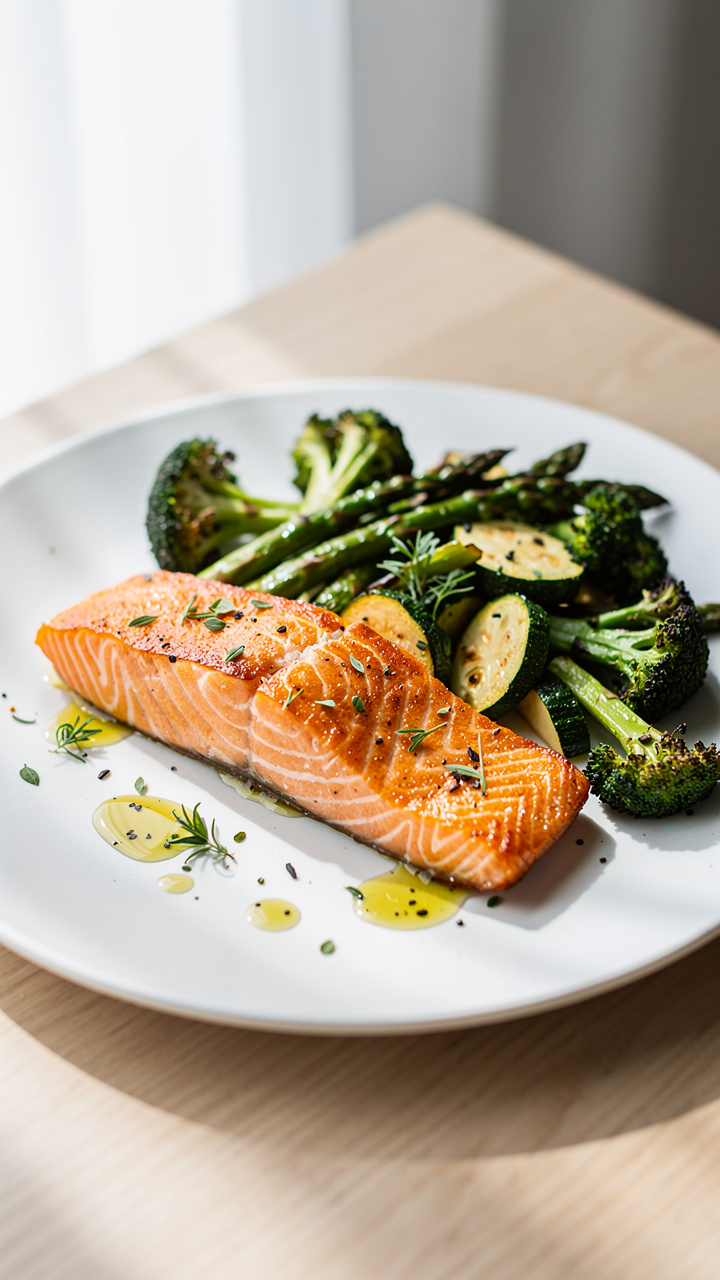
Slowly reduce your portion sizes over seven days to prepare your appetite for the change. During the active phase, prepare batch meals to simplify the cooking process. Use high-protein ingredients like wild-caught salmon, lean chicken breast, or tofu as your foundation.
For snacks, opt for fibrous veggies like cucumber or celery to keep your hands busy. After the intensive phase, add 100 calories every week by incorporating complex carbohydrates like berries or legumes. Monitor your weight and energy levels closely during this transition.
This structured approach helps stabilize your hormones and prevent rebound weight gain.
Frequently Asked Questions.
Q: Can I exercise while on an 800-calorie diet? A: Yes, but keep it low-impact. Focus on walking, yoga, or light resistance training rather than intense HIIT sessions.
Q: Is this diet suitable for everyone? A: No, it is not recommended for pregnant women, children, people with eating disorders, or those with severe medical conditions. Always check with your doctor first.
Q: How long should I stay on the 800-calorie phase? A: Most experts recommend a maximum of 8 to 12 weeks. Prolonged restriction requires medical monitoring to ensure you remain healthy.
Step-by-Step Recipe Instructions
Ingredients You’ll Need
- 2 lbs chicken thighs, boneless and skinless
- 1 lb cauliflower florets, cut into bite-sized pieces
- 2 cups low-sodium chicken broth
- 1 tbsp olive oil
- 2 cloves garlic, minced
- 1 tsp dried oregano
- 1/2 tsp sea salt
- 1/4 tsp cracked black pepper
- 1/2 cup fresh parsley, chopped
Follow this clear, step-by-step guide to prepare this dish perfectly every time.