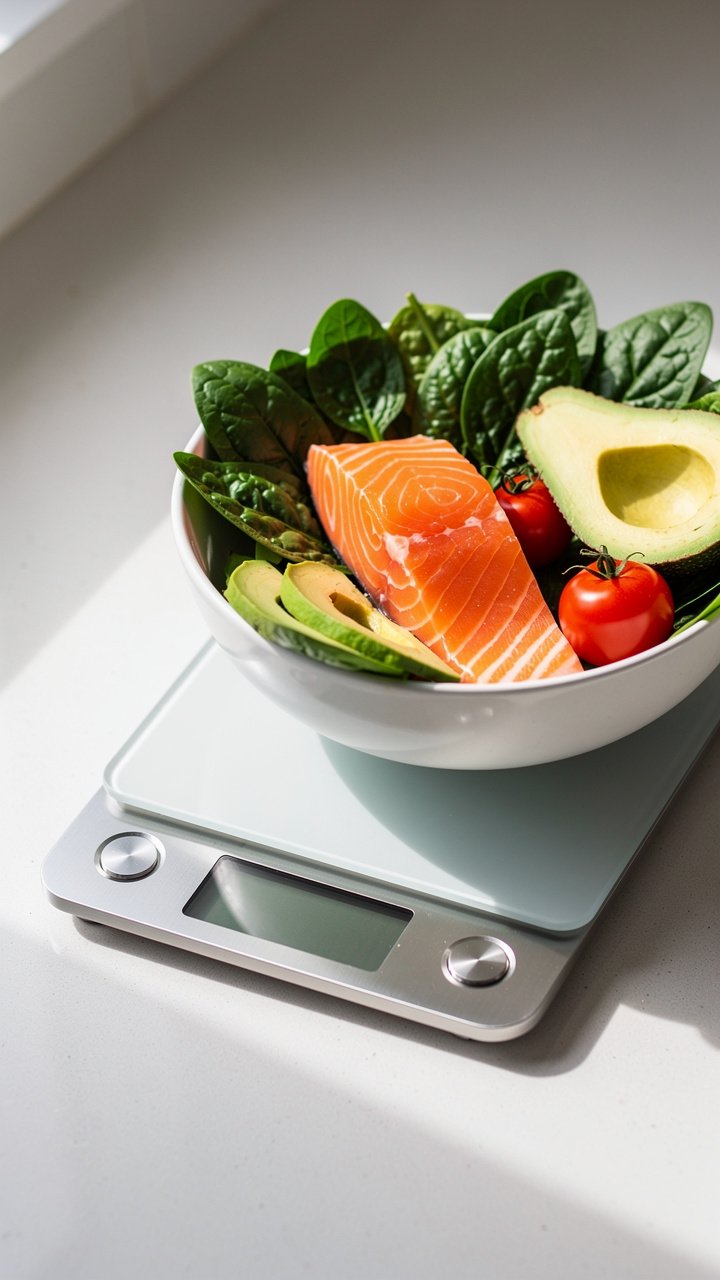
Introduction to the 800-Calorie Keto Diet
Step-by-Step Recipe Instructions
Ingredients You’ll Need
- 2 lbs chicken breast, cut into 1-inch cubes
- 2 cups cauliflower florets
- 1 cup zucchini, sliced into half-moons
- 14 oz canned full-fat coconut milk
- 2 tbsp red curry paste
- 1 tbsp fresh ginger, minced
- 2 cloves garlic, minced
- 1 tsp sea salt
- 1/2 cup fresh cilantro, chopped for garnish
Follow this clear, step-by-step guide to prepare this dish perfectly every time.
The 800-calorie keto diet is an aggressive approach to rapid weight loss. By combining the metabolic benefits of ketosis with a significant caloric deficit, many individuals seek to accelerate their progress. However, this level of restriction carries risks that must be managed carefully.
Ignoring nutritional requirements or electrolyte needs can lead to muscle loss and hormonal disruption. This guide outlines the essential mistakes you must avoid for long-term health.
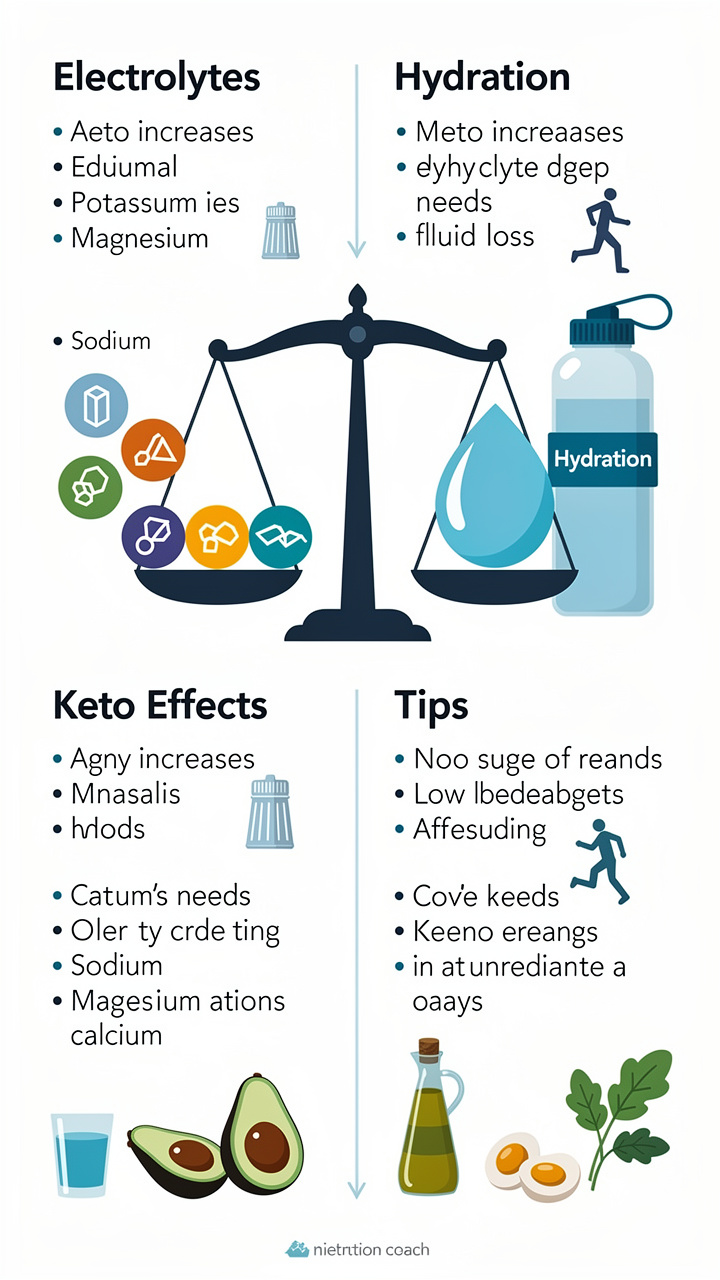
Mistake 1: Ignoring Electrolyte Balance
When you drastically cut calories, your body sheds water weight rapidly. This process flushes out essential minerals like sodium, potassium, and magnesium. Failing to replenish these will cause the ‘keto flu,’ manifesting as headaches and fatigue.
You must proactively supplement or consume mineral-rich foods like bone broth and leafy greens. Neglecting this balance is the quickest way to end your weight loss journey prematurely.
Mistake 2: Failing to Prioritize Protein Intake
On an 800-calorie limit, many people focus exclusively on fat to stay in ketosis. This is a massive error that leads to muscle wasting and a slower metabolic rate. Protein must be your primary focus to maintain lean mass during severe caloric restriction.
Aim for high-quality sources like wild-caught fish, lean poultry, and eggs in every meal. Prioritizing protein keeps you feeling full longer and supports essential bodily functions during your deficit.
Practical Tips for Sustaining 800 Calories
Successfully maintaining an 800-calorie limit requires disciplined planning and strategic food choices. Focus on high-volume, low-calorie vegetables like spinach, cucumber, and zucchini to fill your stomach. These provide necessary fiber without adding significant carbohydrates or excessive calories to your daily total.
Use healthy fats sparingly, such as a teaspoon of olive oil or avocado, rather than heavy dressings.
The Role of Meal Preparation
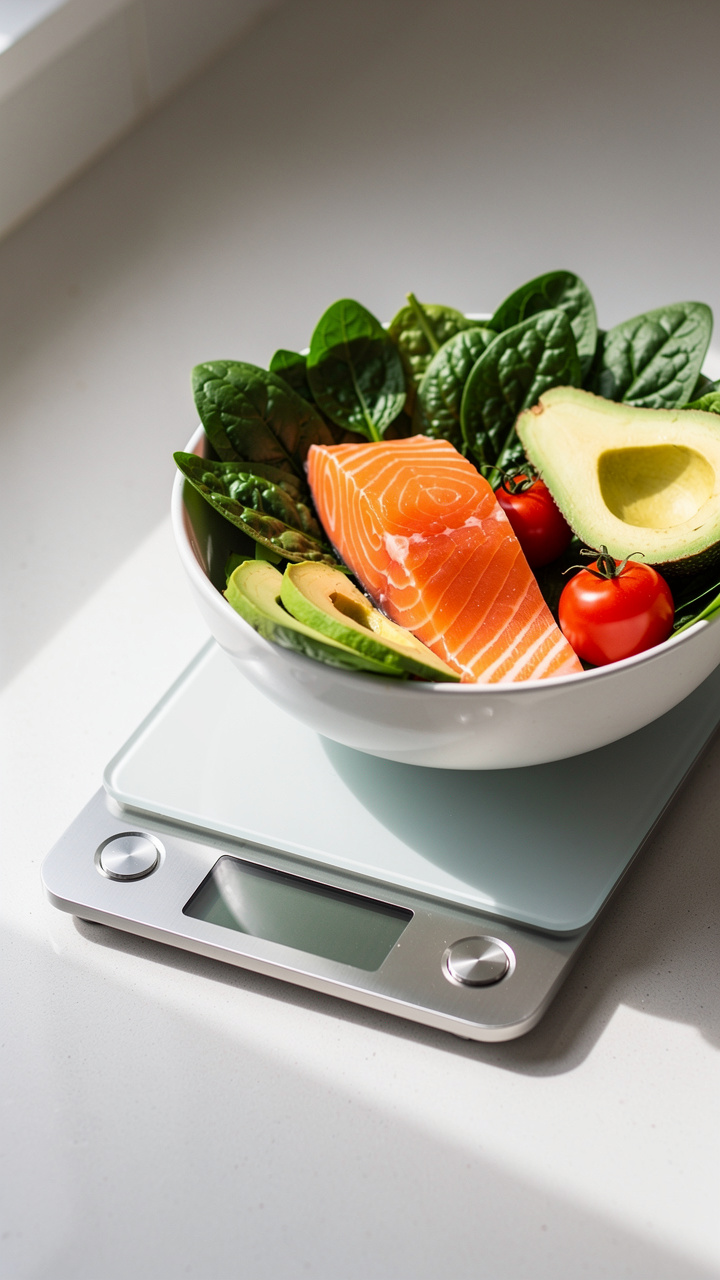
Planning your meals ahead is non-negotiable when dealing with such low caloric intake. Without pre-portioned meals, it is far too easy to underestimate your calorie consumption during a busy day. Use a digital food scale to ensure accuracy; estimating portions often leads to unintended calorie creep.
By prepping proteins and washed vegetables in advance, you remove the guesswork and reduce the temptation to snack.
Common Myths vs. Hard Facts
Many believe that the faster they drop calories, the faster they will lose fat permanently. The reality is that the body may enter a conservation mode, lowering your metabolic rate. Another common myth is that all calories are equal, regardless of the source.
On a low-calorie keto diet, the quality of nutrients matters more than ever to prevent deficiencies. Facts show that sustainable weight loss requires gradual adaptation rather than constant, aggressive shocks to your hormonal systems.
A Step-by-Step Approach to Implementation
Begin your journey by consulting with a medical professional to ensure your body can handle such a deficit. Once cleared, start by calculating your specific protein requirements based on your current lean body mass. Establish a baseline for your daily hydration and mineral intake to prevent early-stage symptoms.
Gradually transition into the 800-calorie window over one week to allow your body time to adjust. Monitor your mood, sleep quality, and energy levels daily; these are the primary indicators of your metabolic health.
How to Manage Hunger and Cravings
Extreme restriction often triggers intense physiological hunger signals that can derail even the strongest willpower. Use sparkling water to keep your stomach full between scheduled meals. Practice intermittent fasting to shorten your eating window, which allows for larger, more satisfying meals during the day.
If hunger becomes unbearable, consider a slight increase in leafy greens or water intake before consuming more calories. Recognizing the difference between genuine hunger and emotional cravings is essential for your long-term success.
Frequently Asked Questions
Is an 800-calorie keto diet safe for everyone?
No, it is not suitable for everyone, especially those with pre-existing medical conditions or high activity levels. Always consult a doctor before starting such a restrictive regimen.
Can I exercise while on this plan?
Yes, but prioritize low-impact activities like walking or light yoga to avoid overstressing your body. Avoid high-intensity interval training until you have adapted to the lower caloric intake.
Conclusion
The 800-calorie keto diet is a powerful tool but requires extreme diligence and care. By avoiding these common mistakes, you can achieve your goals while protecting your long-term health. Prioritize protein, maintain electrolytes, and listen to your body at every step.