
If your microwave bread feels wet or soggy, it is likely due to an imbalance in dry-to-wet ratios, excess steam, or incorrect flour absorption. Achieving the perfect texture in Keto 90 Second Bread & Mug Recipes requires precision in measuring your flours and allowing the bread to rest or toast after microwaving to release trapped moisture. This guide will help you fix these issues and master these quick snacks.
Why Your Bread Ends Up Wet and Soggy

Most cases of wet bread in microwave recipes stem from moisture trapped during the heating process. When you combine fats like butter or oil with egg and high-fiber flours, the microwave essentially steams the ingredients rather than baking them. If the flour does not fully hydrate or if the container is too small, the liquid cannot evaporate, leading to a gummy or dense consistency that ruins your quick keto meals.
Another major culprit is the ratio of almond flour to coconut flour. While almond flour provides structure, coconut flour is highly absorbent and acts like a sponge. If you use too little coconut flour, the bread lacks the “lift” and ability to hold onto fats. Always check your measurements to ensure you are not accidentally adding too much liquid or using an egg that is too large for the recipe.
The Role of Steam in Microwave Baking
Microwave ovens heat food by exciting water molecules, which creates steam rapidly. In conventional ovens, this steam escapes into the dry air of the oven cavity. In a mug or small dish, the steam is trapped against the sides of the container. If you do not let the bread sit for at least a minute after the timer goes off, the moisture will settle back into the crumb, creating that dreaded wet texture.
Perfecting Your Ingredient Ratios
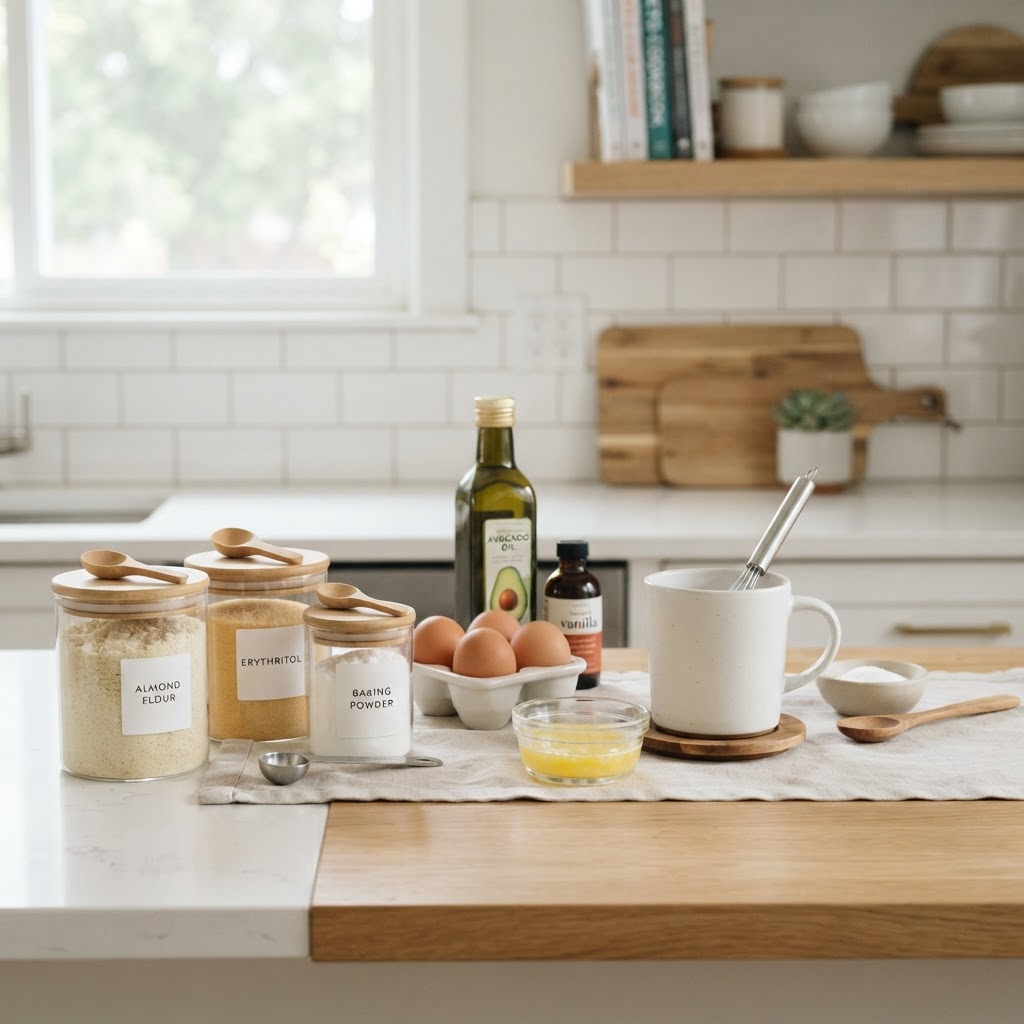
Achieving consistent results with Keto 90 Second Bread & Mug Recipes starts with standardizing your dry ingredients. Using a digital scale rather than measuring cups can drastically improve your outcomes, as packed flour often leads to a heavy final product. If you are experimenting with variations like keto cheesebread or even cinnamon mugcake, keep your fiber-to-fat ratios consistent to avoid density issues.
Many users find that incorporating a small amount of psyllium husk powder can improve the structural integrity of these loaves. Psyllium helps bind the ingredients and mimics the chewiness of traditional bread. If you are looking for a nut-free keto option, ensure you are using a high-quality coconut flour that hasn’t been sitting in your pantry for months, as old flour can lose its absorption capacity.
Essential Techniques for Better Texture
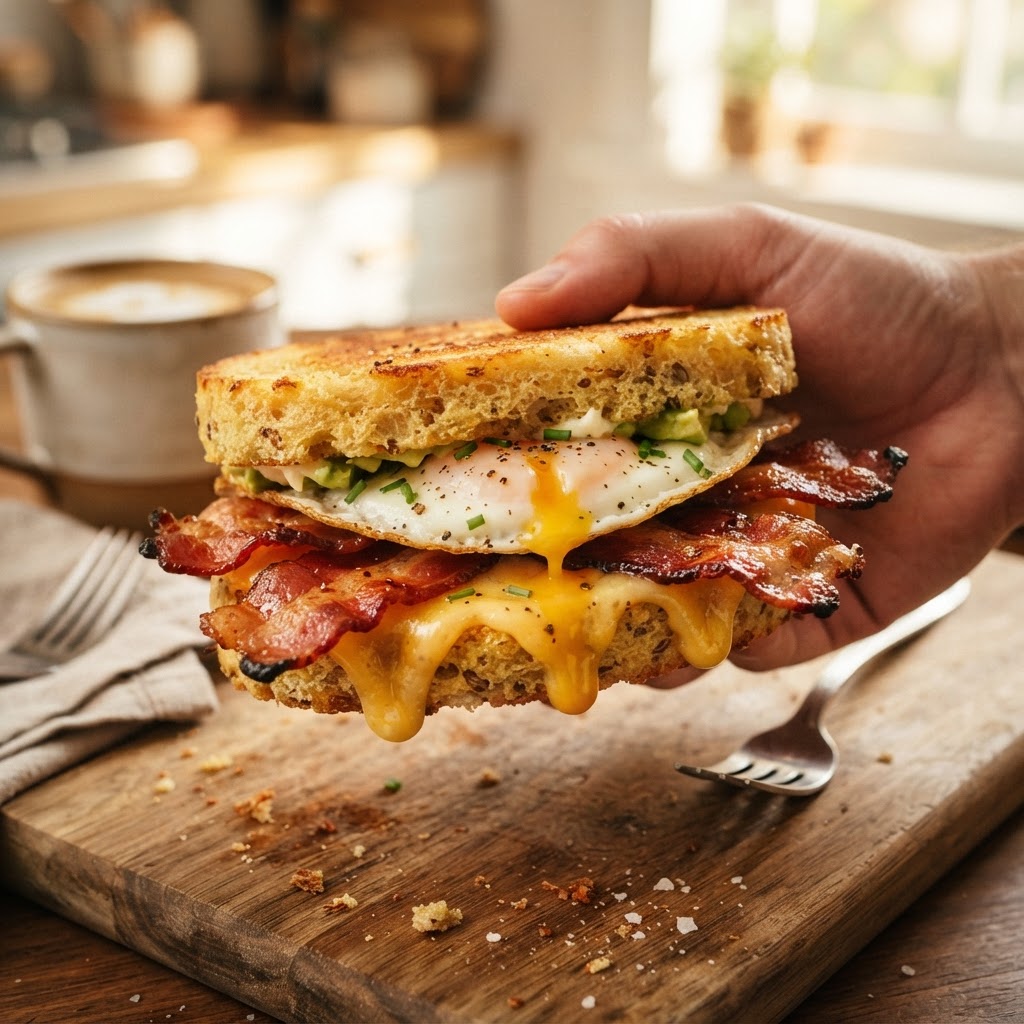
To move beyond basic microwave bread, you must adopt professional bread hacks. One of the most effective methods is the “toasting finish.” Once your bread comes out of the microwave, slice it immediately and place the slices in a toaster or a hot skillet with butter. This step removes the excess moisture trapped in the center and creates a satisfying crust that makes these 90secondketobuns feel like real bakery items.
Another pro tip is using the right vessel. Avoid deep, narrow mugs if you want a wider, flatter slice for a sandwich or avocado toast. Shallow ramekins or square glass containers create a shape that is much easier to slice into sliders or toast. If you are making keto sliders or keto party food, having a wider surface area allows for more even heat distribution, which prevents the center from staying raw or overly wet.
Adapting Recipes for Different Diets
Whether you are following a strict lowcarb diet or seeking glutenfree recipes, the versatility of this bread is unmatched. You can easily transform a plain base into a savory keto cheddar bread or a sweet cinnamon treat. If you are dairyfree, simply swap the butter for ghee, coconut oil, or even avocado oil. The key is maintaining the fat-to-fiber balance, which is the secret to success in all keto baking.
For those on a weight loss journey, portion control is built right into these mug recipes. Because they are single-serving, you never have to worry about overeating a full loaf of lowcarbbread. If you have leftovers, they actually toast better the next day after being stored in the fridge, as the starches and fibers have had time to fully set, resulting in a firm and delicious slice.
Quick Ideas for Your Next Meal
- Breakfast Sandwiches: Use your bread for a keto breakfast sandwich with bacon and eggs.
- Garlic Bread: Brush with garlic butter and herbs for the perfect side dish.
- Pizza Bites: Top your bread with sugar-free marinara and mozzarella for a quick snack.
- French Toast: Dip your slices in an egg-cinnamon wash and pan-fry them.
Troubleshooting Common Failures
Sometimes, despite your best efforts, the bread still fails. If your bread is still rubbery, you might be over-mixing the batter. Just like with traditional wheat flour, over-mixing releases proteins that create a tough, rubbery texture instead of a soft, airy crumb. Mix your ingredients just until combined, then immediately microwave to get the best rise.
If you find your bread tastes like “egg,” it is usually because the recipe uses too much binder for the amount of flour. Try adding a pinch of salt, a dash of onion powder, or even a small amount of sweetener to balance the flavor. These subtle additions act as flavor masks that eliminate that distinct eggy profile while enhancing the overall profile of your keto breakfasts or lunches.
FAQ
Why does my keto bread taste like scrambled eggs?
Your bread likely tastes like eggs because the protein-to-flour ratio is too high or the microwave is overcooking the egg portion. Try using only egg whites instead of whole eggs, or adding a teaspoon of apple cider vinegar to neutralize the eggy flavor.
Can I make keto 90 second bread without a microwave?
Yes, you can easily bake this bread in a conventional oven or toaster oven by pouring the batter into a small, greased baking dish. Set your oven to 350°F (175°C) and bake for 10-15 minutes, checking periodically for doneness with a toothpick.
How can I make my bread less dense?
To make your bread less dense, ensure you are not over-packing your flour and use enough baking powder to provide a proper lift. A small amount of whipped egg white folded into the batter right before cooking can also add significant airiness and volume to your mug breads.
Should I store my 90-second bread in the fridge?
You should store your bread in the fridge if you aren’t eating it immediately because the high fat and moisture content can lead to mold if left at room temperature. For the best experience, toast your refrigerated slices to restore that fresh-out-of-the-oven texture.
Conclusion
Mastering Keto 90 Second Bread & Mug Recipes is all about understanding the chemistry of low-carb ingredients. By controlling your moisture, choosing the right containers, and always giving your bread a quick toast, you can enjoy delicious, firm bread that fits your lifestyle perfectly. Start experimenting today and turn your quick keto snacks into culinary wins! If you enjoyed these tips, share your favorite bread creation with us in the comments below.
1 thought on “Keto 90 Second Bread & Mug Recipes: Solving Wet Bread”