The Relationship Between Keto and Cholesterol for Women Over 50.
Many women entering their fifties seek the ketogenic diet to manage weight and metabolic shifts. However, concerns about cholesterol often arise as hormonal changes during menopause impact lipid profiles. Research shows that while keto can improve triglycerides, it may raise LDL cholesterol in some individuals.
Understanding your specific metabolic response is crucial for long-term cardiovascular wellness.
Common Myths vs.
Facts. A major myth is that all dietary fat increases heart disease risk. In reality, the quality of fats—such as monounsaturated versus trans fats—matters significantly. Another misconception is that rising LDL on keto is always dangerous.
However, if your HDL is high and triglycerides are low, the particle size and pattern of your LDL may be less concerning. Always consult with your doctor to interpret your lipid panel accurately.
Practical Tips for Lipid Optimization.
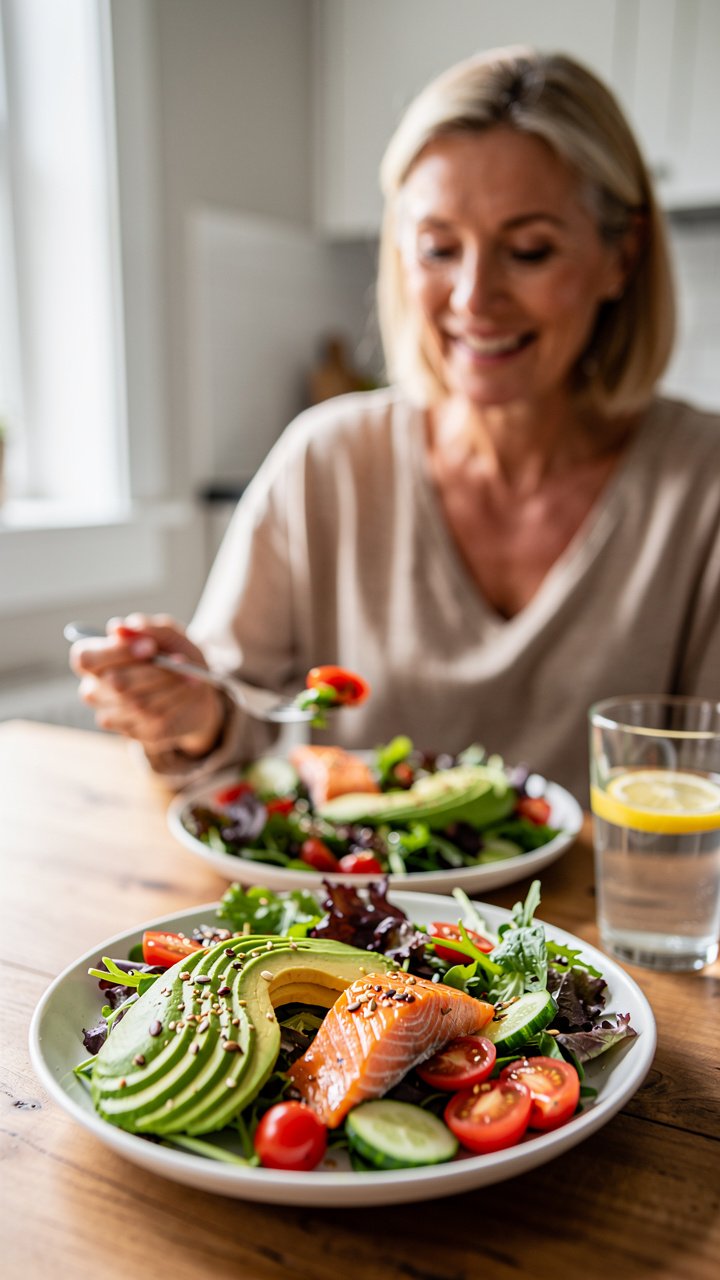
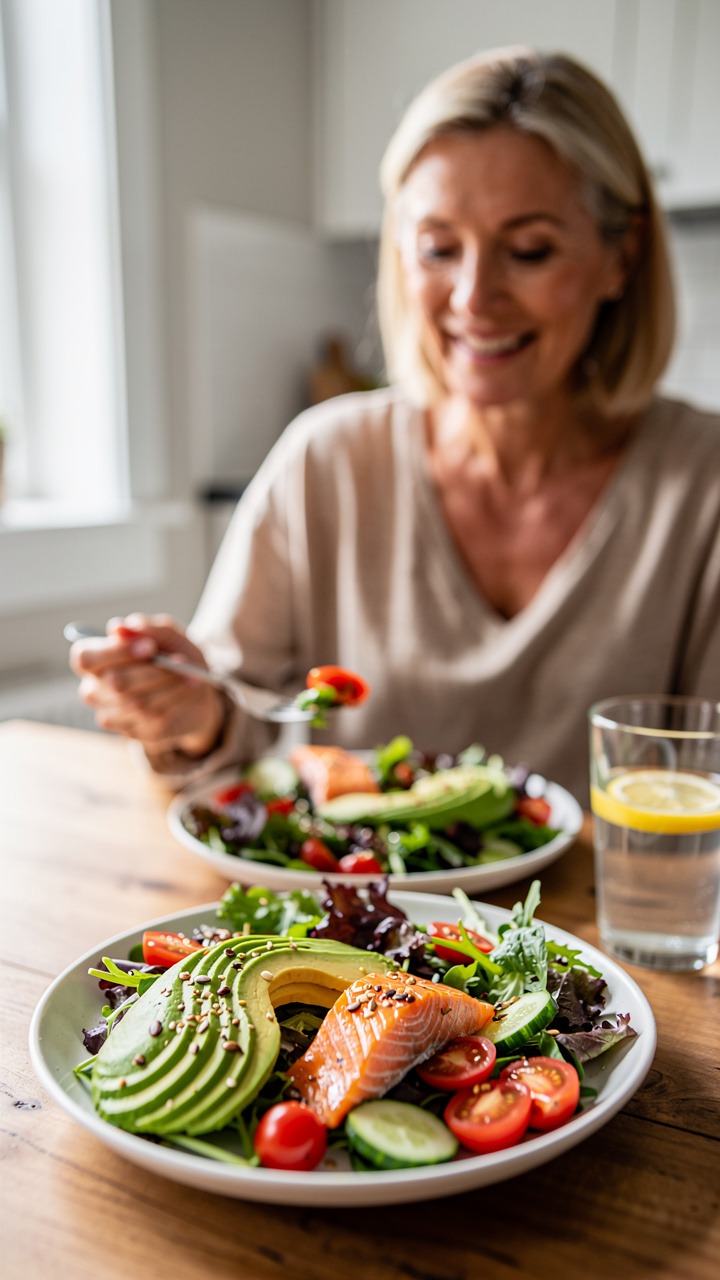
Prioritize healthy fats like avocados, olive oil, nuts, and fatty fish. Avoid processed keto snacks that contain hydrogenated oils or excessive saturated fats. Incorporate fiber-rich low-carb vegetables to help bind and remove excess cholesterol from the digestive tract. Regular exercise, particularly resistance training, supports healthy cholesterol ratios during the menopausal transition.
Steps to Manage Your Lipid Profile.
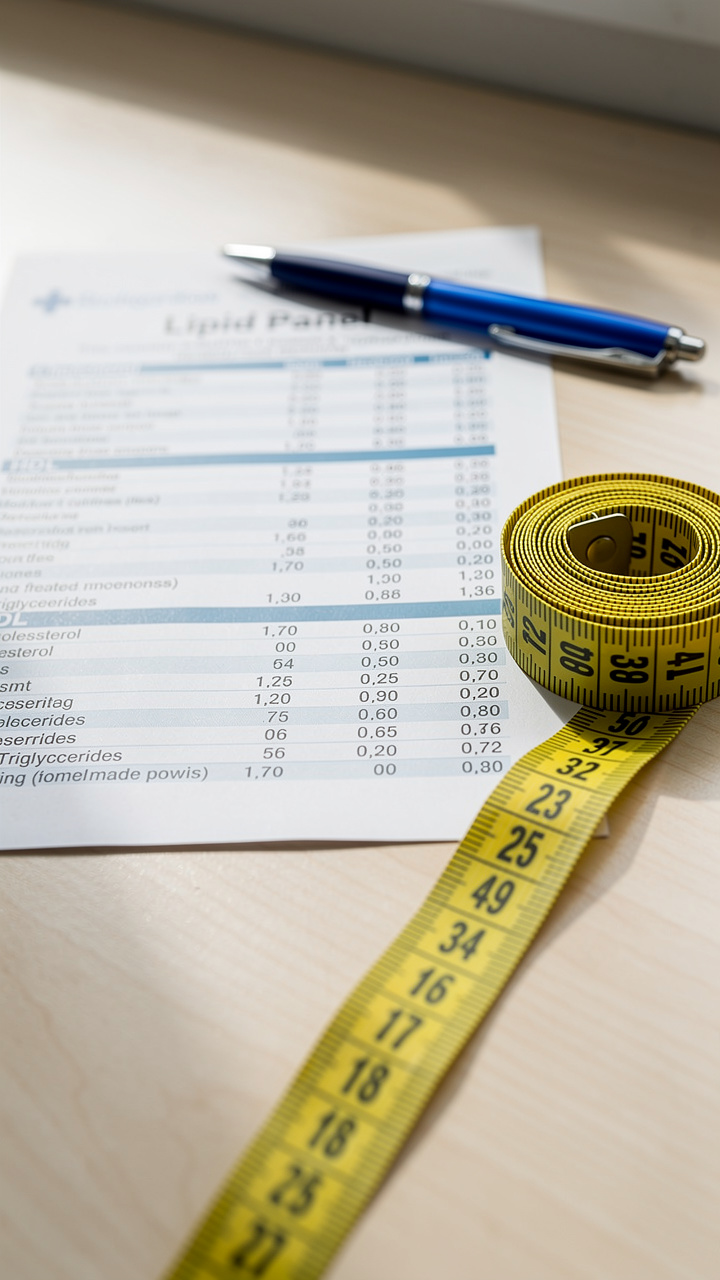
Start by getting a baseline lipid panel before beginning the ketogenic diet. Work with a healthcare professional to track changes over three to six months. If your LDL levels spike significantly, focus on reducing saturated fat intake while increasing unsaturated fat sources. Adjust your carbohydrate intake slightly if your body requires more fiber for lipid management.
Avoiding Common Keto Mistakes.
Many beginners make the mistake of relying too heavily on bacon, butter, and processed meats. This often leads to inflammation and unfavorable changes in cholesterol markers. Another error is neglecting nutrient density, leading to deficiencies that impair metabolic health. Focus on whole-food sources of fat to ensure you get essential micronutrients alongside your macros.
Important Considerations Before Starting.
Evaluate your family history regarding heart disease and hypercholesterolemia before starting. If you have existing cardiovascular issues, proceed with caution and close medical supervision. Consider your stress levels and sleep quality, as both play major roles in hormone regulation and cholesterol production.
Ensure you are ready for a sustainable lifestyle change rather than a quick weight-loss fix.
Real-World Case Study Example.
Consider Sarah, a 54-year-old woman who started keto to manage weight gain. Initially, her LDL-C increased, causing alarm during her routine checkup. Her doctor suggested replacing butter with extra virgin olive oil and increasing flaxseed consumption.
After three months, her cholesterol ratios improved significantly, and her energy levels stabilized. Sarah’s case highlights the importance of individualizing dietary choices to achieve success.
Frequently Asked Questions.
Q: Can keto help lower my triglycerides? A: Yes, keto is exceptionally effective at lowering triglycerides. By reducing refined carbohydrates and sugars, your liver decreases the production of these fats.
Q: Is it normal for my LDL to rise on keto? A: It is common for some women to see a temporary rise in LDL. If this happens, look at your HDL and triglyceride levels to assess overall heart health.
Q: Should I track my cholesterol frequently? A: Yes, get blood tests every three to six months. Monitoring allows you to make data-driven adjustments to your fat sources and total caloric intake.
Step-by-Step Recipe Instructions
Ingredients You’ll Need
- 2 lbs skinless salmon fillets, cut into large chunks
- 2 cups fresh kale leaves, stems removed
- 1 cup sliced cremini mushrooms
- 1/2 cup avocado oil
- 1 tablespoon minced garlic
- 1 teaspoon dried oregano
- 1/2 teaspoon sea salt
- 1/4 teaspoon crushed red pepper flakes
- 1/2 cup heavy cream
- 1 tablespoon fresh lemon zest
Follow this clear, step-by-step guide to prepare this dish perfectly every time.