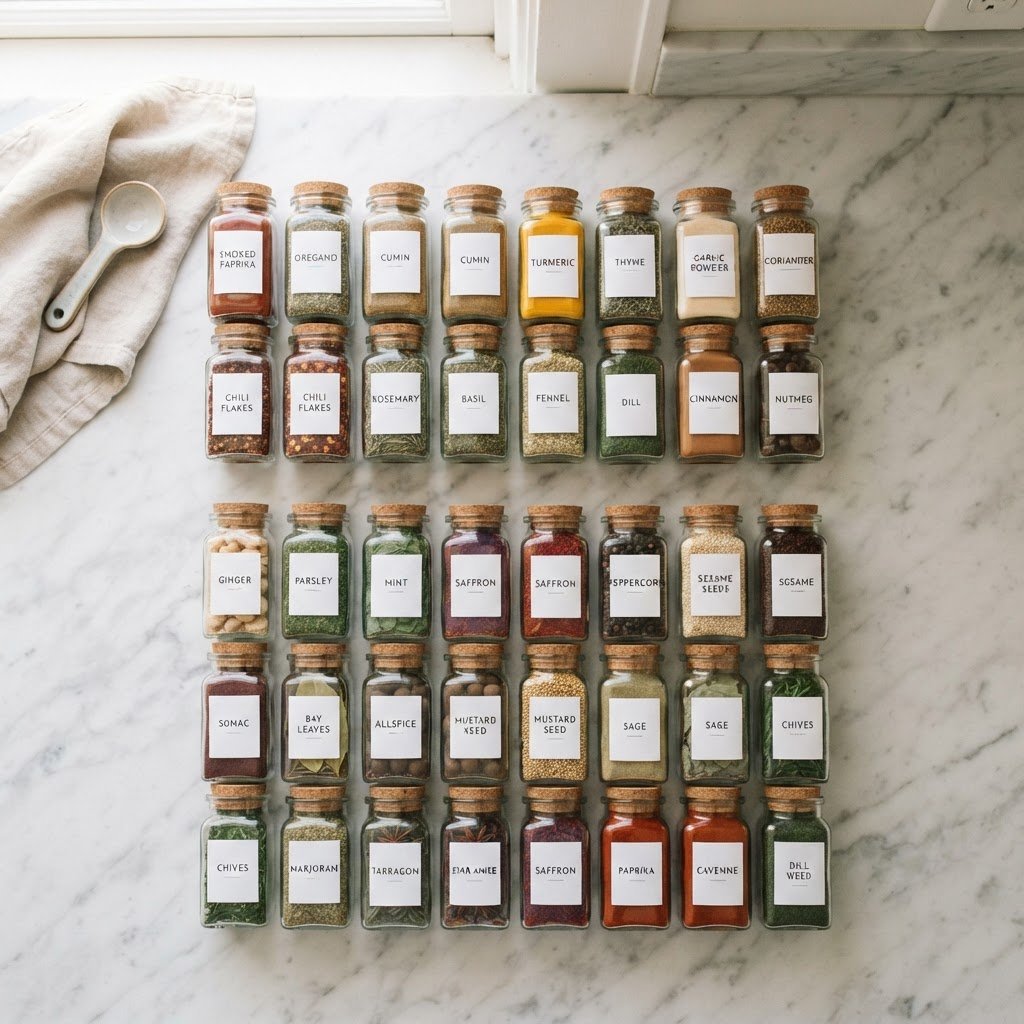
Adhering to a strict carbohydrate limit requires vigilance, especially when it comes to your pantry staples. Our printable ketogenic diet spice cabinet guide ensures you avoid hidden carbs in seasonings by providing a curated list of keto-friendly herbs and spices, helping you maintain nutritional ketosis without sacrificing bold, delicious flavors in your home-cooked meals.
Understanding the Hidden Dangers of Pre-Mixed Spices
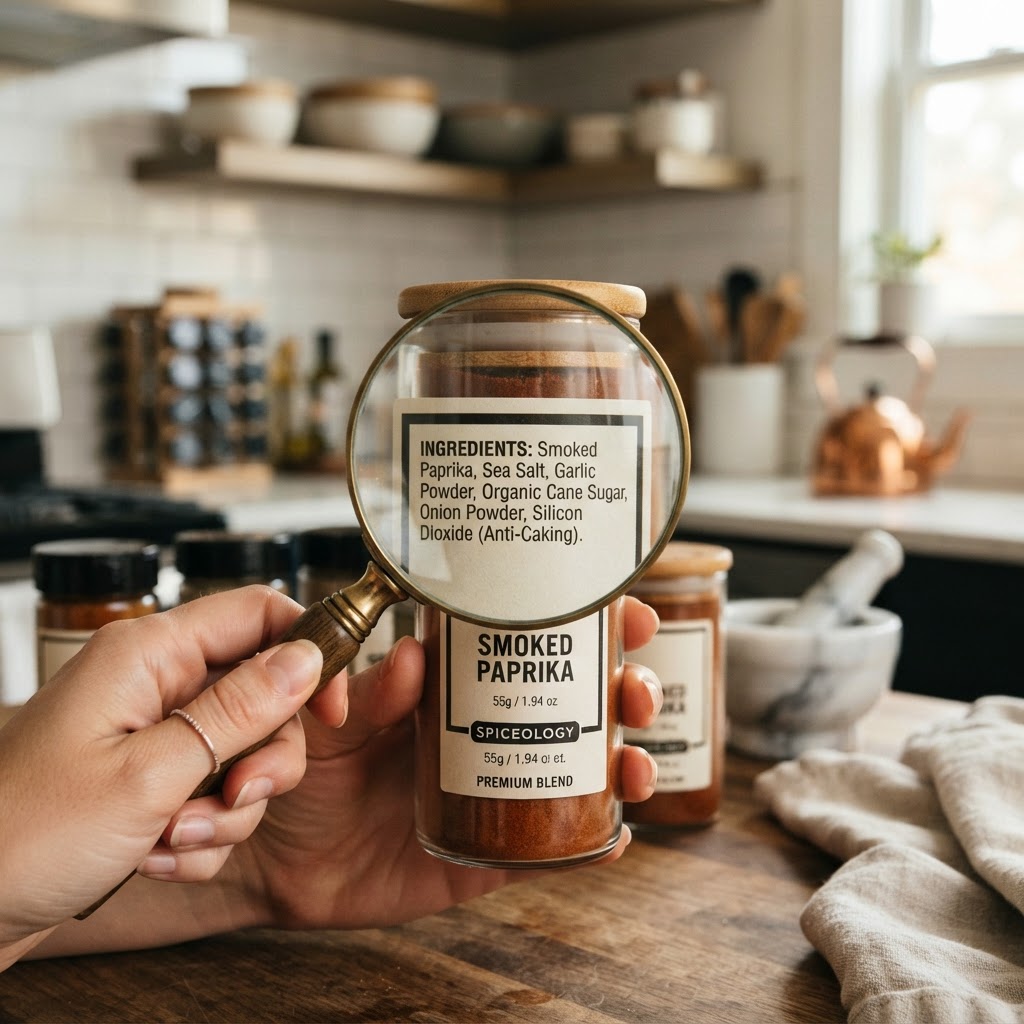
Many commercial seasoning blends are primary culprits for sabotaging a ketogenic diet because manufacturers often use sugar or maltodextrin as anti-caking agents. When you rely on these store-bought mixes, you might accidentally consume several grams of hidden carbs in seasonings that can quickly kick you out of fat-burning mode. The reality of modern food processing is that savory blends, particularly barbecue rubs or taco seasonings, are frequently “cut” with dextrose or cornstarch to stabilize the product. Even a small sprinkle on your steak or roasted vegetables can add up to half a teaspoon of sugar over the course of a day, which is significant when your daily allowance is capped at 20-50 grams of net carbs. Understanding these labels is the first step toward a truly compliant kitchen.
Step-by-Step Recipe Instructions
Ingredients You’ll Need
- 2 lbs boneless pork shoulder, cut into 2-inch cubes
- 2 tbsp avocado oil
- 1 tbsp smoked paprika
- 1 tbsp ground cumin
- 1 tsp garlic powder
- 1 tsp onion powder
- 1/2 tsp ground cayenne pepper
- 1 tsp sea salt
- 1 cup chicken bone broth
- 2 tbsp fresh lime juice
Follow this clear, step-by-step guide to prepare this dish perfectly every time.
Core Principles for a Keto-Friendly Spice Cabinet
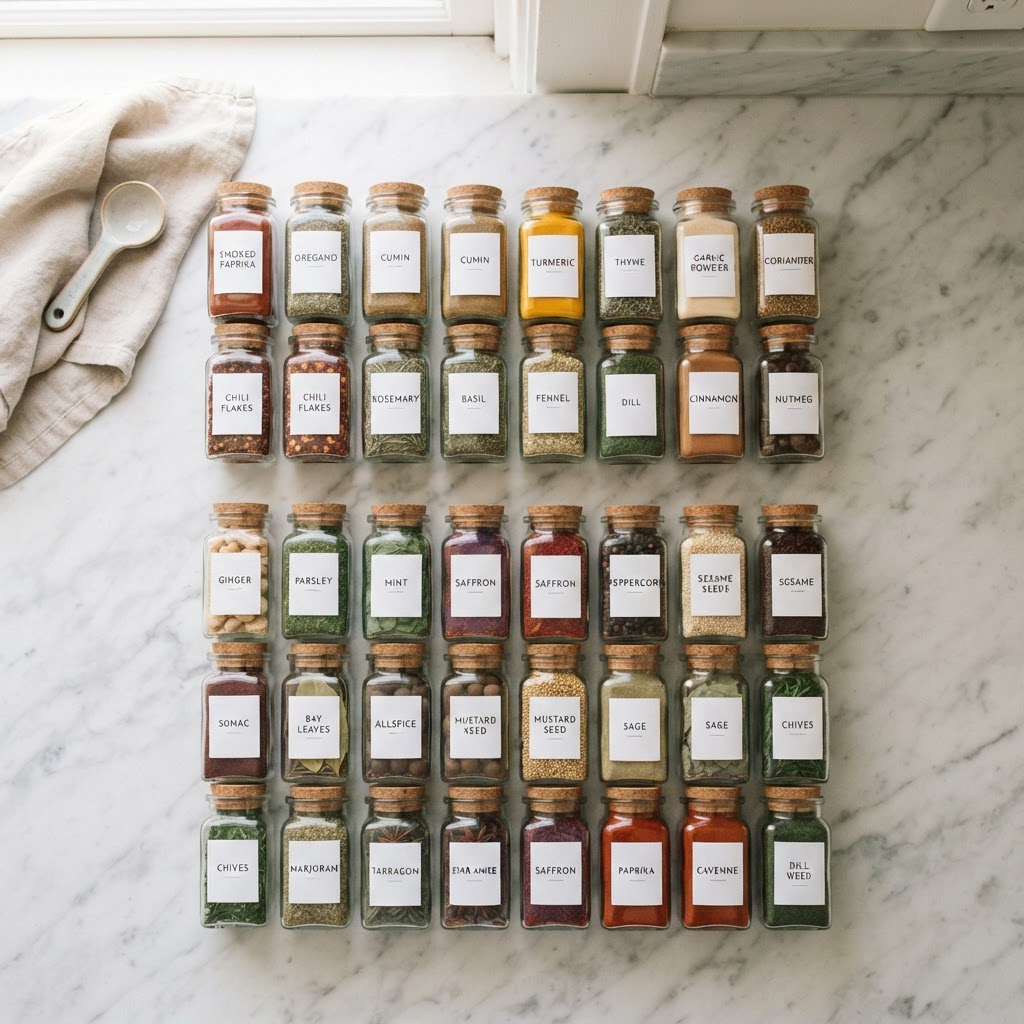
To build a robust, safe pantry, you must prioritize whole, single-ingredient spices over complex processed blends. Pure spices like cumin, paprika, turmeric, and dried oregano are naturally ketogenic and provide essential antioxidants without the risk of hidden fillers. When you purchase individual herbs, you have total control over the seasoning profile of your meals, allowing you to build layers of flavor through chemistry rather than relying on high-sugar additives. Furthermore, focusing on whole spices significantly improves the quality of your cooking, as fresh or freshly ground spices retain volatile oils that elevate the aromatic profile of your keto recipes.
Essential Spice Selection Strategy
- Cumin: Earthy and perfect for taco meat and roasted cauliflower.
- Smoked Paprika: Adds a deep, wood-fired flavor to meats.
- Dried Oregano: The backbone of Mediterranean keto salads.
- Turmeric: Anti-inflammatory properties with a neutral, earthy profile.
- Garlic Powder: Use pure granules instead of garlic salt to avoid fillers.
Analyzing Ingredient Labels Like a Pro
Learning to spot the red flags on your spice labels is a fundamental skill for any long-term keto dieter. Beyond the obvious word “sugar,” you must watch for synonyms such as maltodextrin, dextrose, cane juice solids, or modified food starch, as these are all high-glycemic fillers often hidden in seasonings. These ingredients are frequently used in “low-fat” or “flavor-enhanced” blends, which are inherently antithetical to the high-fat ketogenic philosophy. If you cannot identify an ingredient or if it lists “natural flavors” followed by a complex chemical name, it is best to place it back on the shelf. Instead, look for brands that specialize in organic, single-source herbs that are explicitly labeled as filler-free or zero-carb.
Comparison: Standard Blends vs. Homemade Keto Mixes
Understanding the impact of your choices requires a clear breakdown of what actually goes into your pantry. Many consumers believe that a standard taco mix is harmless, but a side-by-side comparison reveals that commercial versions contain up to 4g of net carbs per serving, whereas a homemade mix consists of 0g. This table illustrates why relying on your own printable ketogenic diet spice cabinet guide is superior for maintaining metabolic health.
The Role of Fresh Herbs in Ketogenic Nutrition
While dried spices are the workhorses of your kitchen, incorporating fresh herbs provides a micronutrient density that supports long-term keto success. Fresh parsley, cilantro, basil, and rosemary contain virtually zero net carbs and provide a burst of hydration and enzymes that assist in digestion during high-fat intake. Adding a handful of fresh herbs to your meals doesn’t just increase flavor; it turns a simple fat-heavy dish into a nutrient-dense culinary masterpiece. Many people on the ketogenic diet report that focusing on fresh herbs helps break the monotony of repetitive proteins, making the lifestyle much more sustainable over months and years.
FAQ
Can I use store-bought curry powder on keto?
Most store-bought curry powders are safe, but always check for flour or cornstarch, which are occasionally used as thickeners in cheaper varieties.
Is onion powder keto-friendly?
Yes, onion powder is keto-friendly in reasonable amounts, as the carb content per teaspoon is minimal, providing immense flavor for almost zero impact on blood glucose.
How long do dried spices last?
Dried spices typically last 6 to 12 months; beyond that, they lose their essential oils and potency, making them less effective for seasoning your food.
Why do my spices contain anti-caking agents?
Manufacturers add these agents to prevent moisture absorption, but they can contain trace carbs, so look for “pure” labeling if you are highly sensitive.
Conclusion
Maintaining a ketogenic lifestyle is all about the details, and your spice cabinet is a critical area where hidden carbs often lurk. By following this printable ketogenic diet spice cabinet guide, you can eliminate the guesswork and ensure your pantry is fully optimized for ketosis. Focus on buying single-ingredient spices, read every label carefully to avoid sneaky fillers, and embrace the joy of blending your own keto-friendly seasonings. With these habits, you will find that eating well on keto becomes second nature, allowing you to enjoy delicious, flavorful meals that keep you firmly on the path to your health and wellness goals.