
I know how it goes: busy life, trying to stay energized, and somehow keto still promises clarity and waistline harmony. If you’re a woman over 40, you’ve probably noticed the menu stuff gets a tad more personalized. Let’s cut to the chase with a best-in-class keto meal plan that actually fits real life—no extreme hunger, no mystery ingredients, just steady energy and confidence.
Why a tailored keto plan helps post-40 bodies
– Your hormones are playing tag and you’re not in high school anymore. That means carbs can hit differently, and metabolism often asks for smarter fuel.
– A solid plan minimizes brain fog, curbs cravings, and preserves muscle. Yes, you want to feel strong, not cranky.
So, what makes a plan “best” for women over 40? It’s less about trendy foods and more about consistent macros, nutrient density, and sustainability. FYI, you don’t need to live on eggs and bacon if that’s not your thing. You can craft a keto approach that feels like you, just dialed in a bit more for the aging body.
Macro basics that actually work for us
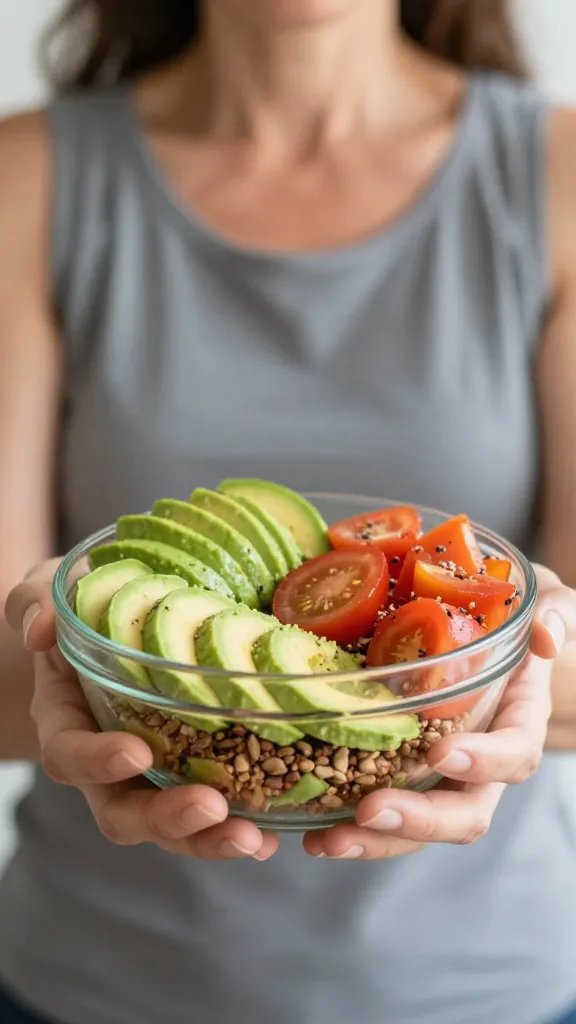
On keto, fat is your sign‑in badge, protein is the muscle builder, and carbs take a tiny backstage seat. For many women over 40, the magic ratio sits around:
- Fat: 60-70% of calories
- Protein: 25-30%
- Carbs: 5-10% (roughly 20-40 grams net carbs per day, depending on size and activity)
Why the tweak? Hormones, muscle maintenance, and daily energy needs shift with age. If you’re very active, you’ll want a touch more protein. If not, keep protein solid but not overeating—too much protein can kick you out of ketosis for some people.
Meal-planning blueprint: a simple week you can actually follow
Here’s a flexible, easy-to-mollow plan that won’t drain your soul or your wallet. Feel free to swap proteins and greens as you like. The key is keeping fats and protein steady and carbs low.
- Breakfast ideas that don’t scream “fried eggs again”
- Lunch options that travel well or come together in 5–10 minutes
- Dinner plates that feel comforting but stay keto-friendly
- Snacks that avoid sugar crashes
Sample Day (quick version)
Breakfast: Greek yogurt (full-fat) with a handful of nuts and a few berries. If dairy isn’t your jam, swap in coconut yogurt and chia seeds. Protein hit comes from yogurt and nuts.
Lunch: Salad with olive oil, avocado, grilled chicken, and feta. Add olives or seeds for crunch. Carbs stay low, but you’ll still feel full.
Dinner: Salmon with asparagus sautéed in butter and lemon. Side of cauliflower mash. Fat-friendly and cozy.
Snack (if needed): A few olives, cheese sticks, or a small handful of almonds. Keep carbs minimal.
Grocery list that won’t derail your week
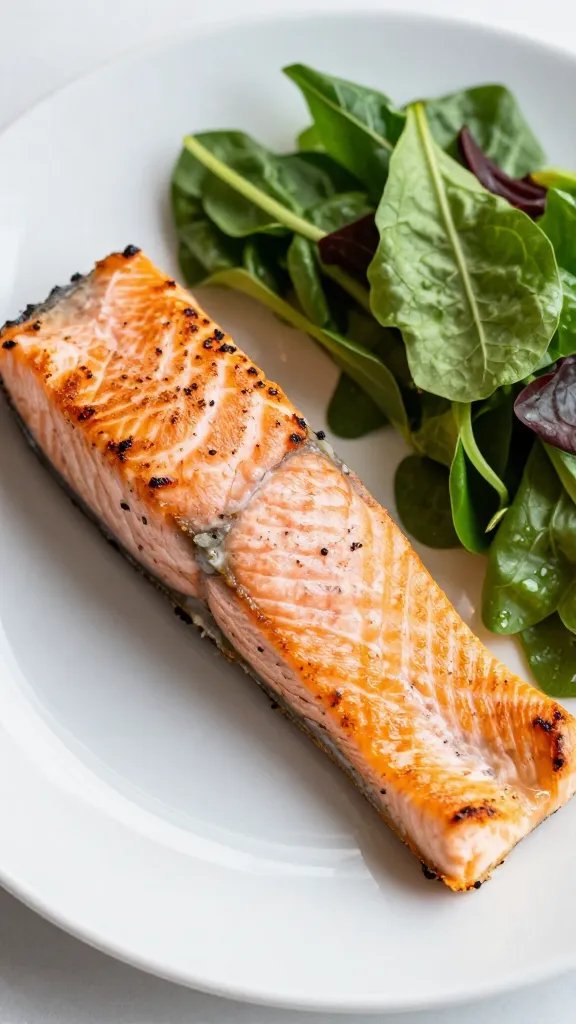
To keep things simple, stock foods that have staying power and flavor. Here’s a starter list you can print and shop by:
- Aquatic fats: salmon, sardines, tuna
- Eggs, full-fat dairy or dairy-free alternatives
- Healthy fats: olive oil, avocado oil, butter, ghee
- Low-carb greens: spinach, kale, broccoli, zucchini
- Protein staples: chicken, turkey, beef, tofu or tempeh (if you’re plant-forward)
- Nuts and seeds: almonds, walnuts, chia, flax
- Flavor boosters: garlic, herbs, lemon, pepper, mustard
Pro tip: plan two dinners you’ll actually crave, then fill the gaps with quick, keto-friendly options. FYI, batch cooking saves brain power during weeknights.
How to handle cravings and plateaus without losing motivation
Cravings aren’t a failure; they’re a signal. Here are ways to handle them like a pro.
- Make cravings a cue for more fat or protein, not more carbs.
- Hydration matters. Sometimes thirst masquerades as hunger.
- Sleep is your secret weapon. Poor sleep = stronger cravings.
- Adjust macros temporarily if you feel washed out or hyper-hungry.
Remember, your body might need a few weeks to adapt. Don’t panic if you don’t see dramatic changes overnight. IMO, consistency beats intensity in the long run.
Dealing with social situations
Eating out or at a party? Choose protein-forward options, ask for extra veggies, and swap carb-heavy sides for greens. Most places will accommodate a cheese plate or a bunless burger. You’re allowed to be that person who orders with confidence.
Exercise and recovery: pairing keto with movement after 40

Movement supports metabolic health, but you don’t have to turn into a gym freak. Short, steady sessions work wonders. Think 20–30 minutes of resistance training 3x per week plus a couple of 20-minute walks. FYI, strength work helps preserve muscle mass, which is key for a healthy metabolic rate as we age.
Quick workout ideas you can actually do
- Bodyweight circuit: squats, push-ups (modified if needed), glute bridges, planks
- Resistance bands for rows and lateral raises
- Short cardio bursts with recovery: 1 minute hard, 2 minutes easy
Consistency beats intensity here, too. If you miss a day, don’t panic—just get back on track tomorrow. IMHO, your future self will thank you for the small, steady wins.
Supplements and safety: what’s worth it and what’s noise
Keto works best with real food, but some supplements can help you feel your best. Here’s a pragmatic view:
- Electrolytes: sodium, potassium, magnesium to prevent keto flu symptoms
- Vitamin D and omega-3s if your intake is low
- Fiber supplement if you’re not getting enough greens (but try to keep it mostly from food)
Stay skeptical of “miracle pills.” If something feels off, talk to a clinician, especially if you’re managing any medical conditions or meds. FYI, your doctor is your best ally here.
Putting it all together: your personalized best‑fit plan
Now for the fun part—tailoring this to you. Consider these quick questions to customize:
- What’s your current routine and energy level? Target sleep and protein first.
- What foods do you actually enjoy? Build meals around those.
- What’s your schedule like? Batch-cook weekends to simplify weekdays.
Start with a 2‑week trial: track macros loosely, adjust based on how you feel, and keep protein steady. If you’re a numbers person, aim for 1.2–1.6 grams of protein per kilogram of body weight per day, depending on activity. If you’re not sure, chat with a nutritionist who gets real-life schedules and menopause quirks.
FAQ
Is keto safe for women over 40?
Yes, when done thoughtfully. Prioritize nutrient-dense foods, adequate protein, and electrolytes. If you have medical conditions or take meds, check in with a clinician before starting. FYI consistency and listening to your body beat extreme restriction any day.
Can I still eat out while following keto?
Absolutely. Choose protein-forward dishes, skip sugary sauces, and swap starchy sides for extra veggies. Most menus offer bunless burgers, grilled meats, and salads with high-fat dressings. You’re not being difficult—you’re being smart about your goals.
How fast will I see results?
Targets vary. Some notice improved energy in a week; others take a few weeks for visible changes. The more consistently you hit your protein and stay within your carb range, the more likely you’ll feel steadier and leaner over time.
What if I hit a plateau?
Adjust macros slightly, add a day or two of higher activity, or tweak carb timing around workouts. Sometimes a small shift is all it takes to spark movement again. Don’t overthink it—keep it sustainable.
Do I need to count every macro forever?
Not forever. Start strict to learn your thresholds, then ease into a flexible approach that keeps you accountable without consuming your life. If you hate tracking, you can aim for consistent protein and low-carb meals that naturally hit your targets.
Conclusion
This isn’t about chasing a fleeting trend; it’s about building a practical plan that respects your body after 40. A thoughtful keto approach can boost energy, support muscle, and help you feel confident in your skin again. So grab your grocery list, pick a couple of dependable recipes, and start small. You’ve got this—one delicious, keto-friendly plate at a time.