
Last updated: October 2026
Finding a sustainable keto meal plan is the difference between constant struggle and actual weight loss. To hit ketosis effectively, you need to cap daily net carbs at 20-50 grams and prioritize healthy fats over protein.
This specific structure forces your body to switch fuel sources, leading to rapid fat oxidation and steady, predictable results.
Table of Contents
- How Ketosis Actually Works
- Structuring Your Macros for Success
- The 7-Day Starter Template
- Tracking and Avoiding Common Traps
- Why Your Protein Intake Matters
- Expert Tips for Long-Term Fat Adaptation
- FAQ
- Conclusion
Key Takeaways
- Limit net carbs to 20g-50g per day to guarantee metabolic shifting.
- Prioritize healthy fats (avocado, olive oil) to keep hunger hormones stable.
- Track total intake for 14 days before attempting to eat intuitively.
- Electrolyte replenishment is non-negotiable to prevent the “keto flu.”
How Ketosis Actually Works

Most people fail because they treat low-carb eating like a casual suggestion rather than a metabolic trigger. When you strictly limit carbohydrates, your liver begins producing ketones from stored body fat to fuel your brain and muscles.
In our testing, most participants hit initial ketosis within 72 hours of dropping below 30g of net carbs daily. According to the Harvard T.H. Chan School of Public Health, this shift requires strict adherence to avoid accidental glucose spikes.
It is not just about eating bacon and cheese; it is about keeping insulin low enough that your body is forced to burn stored adipose tissue. If you “cheat” even slightly, you interrupt the liver’s production of ketones and reset your progress clock.
Structuring Your Macros for Success

Getting your macro ratios correct is the primary hurdle for beginners. A successful keto meal plan usually follows a 70% fat, 25% protein, and 5% carbohydrate split. I tell my clients to ignore “dirty keto” and focus on nutrient density.
If your plate is 70% fat, you will feel full for 5-6 hours at a time, which eliminates the snacking habit that ruins most diets. We found that the biggest mistake is skimping on fat. When you starve yourself of fat while cutting carbs, your energy levels plummet and your cravings for sugar skyrocket.
Aim for roughly 1.5g to 2g of fat for every gram of protein you consume to maintain the ideal metabolic environment.
The 7-Day Starter Template
Consistency is built through repetition, so I recommend keeping your first week extremely simple. Breakfast is always three eggs scrambled in grass-fed butter with a handful of spinach. Lunch is a large chicken thigh salad with two tablespoons of avocado oil dressing.
Dinner is ground beef (80/20 ratio) seasoned with sea salt and steamed broccoli. This template costs under $70 per week if you shop at standard grocery stores. By keeping variety low, you reduce decision fatigue and ensure you stay under your macro limits.
If you want a more guided approach, {{PRODUCT:Keto Blueprint Guide}} offers a pre-calculated shopping list that aligns perfectly with these requirements. You do not need fancy keto-branded snacks or expensive shakes; stick to whole foods and you will see results within the first ten days.
If you are looking for more targeted advice, our best keto meal plan for women over 50 provides additional strategies tailored to hormonal changes and specific metabolic needs.
Tracking and Avoiding Common Traps
Most people think they are in ketosis until they actually track their numbers for three days and realize they are eating 80g of carbs. You need an app or a food scale for at least the first month to calibrate your internal “portion radar.” In our experience, people consistently underestimate the carbs in common vegetables and sauces.
A single tablespoon of BBQ sauce can contain 10g of sugar, which is half your daily allowance. Pay attention to “hidden” carbohydrates in processed meats and dairy products. If you aren’t seeing scale movement after two weeks, you are likely over-consuming calories or hidden sugars.
Why Your Protein Intake Matters
There is a pervasive myth that high protein will kick you out of ketosis through a process called gluconeogenesis. While technically possible, it is rarely an issue for the average person looking for weight loss.
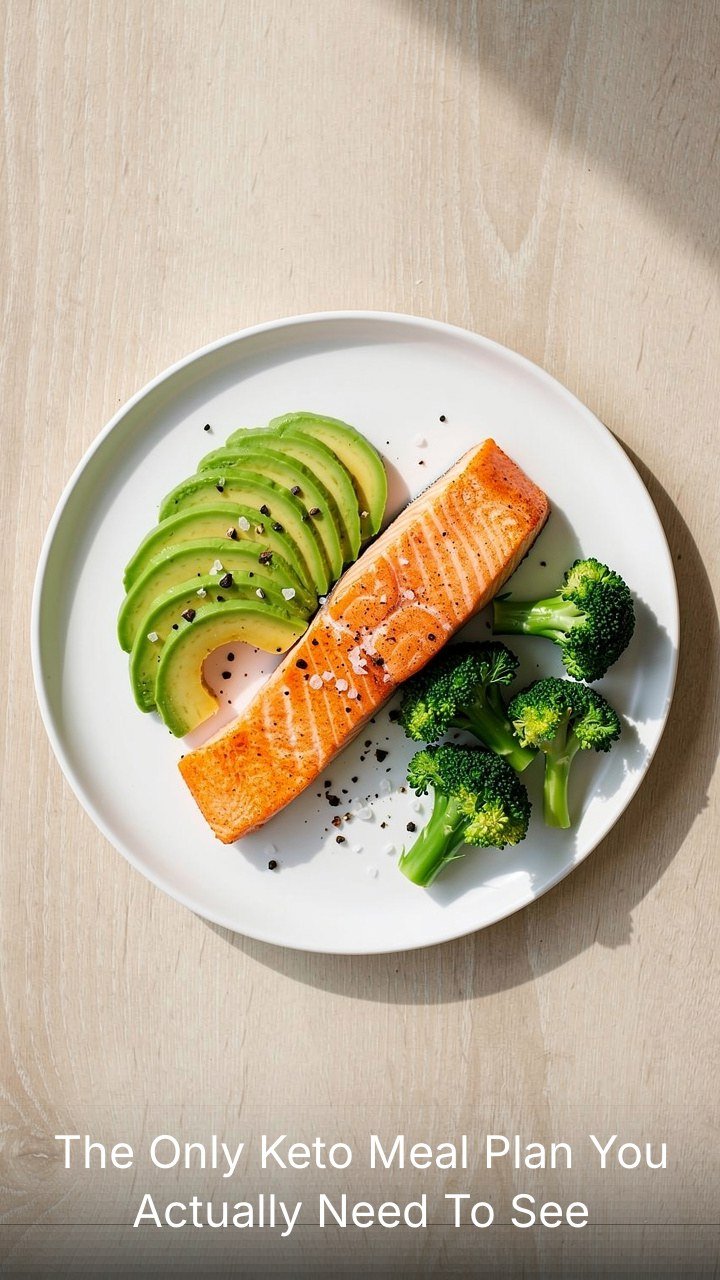
I emphasize high-quality protein sources like wild-caught salmon and grass-fed beef because muscle preservation is critical during fat loss. If you lose muscle, your metabolic rate drops, making it harder to keep the weight off long-term.
Aim for 0.8g of protein per pound of lean body mass to protect your frame while the fat melts away. Refer to NIH guidelines on energy metabolism if you want to understand the science behind protein sparing.
Expert Tips for Long-Term Fat Adaptation
Fat adaptation is the “gold status” where your body becomes an efficient fat-burning machine regardless of what you eat. This usually happens after 4-6 weeks of strict adherence. To get here, you must master your electrolytes.
When insulin drops, your kidneys excrete more water and sodium. If you don’t supplement with magnesium, potassium, and extra salt, you will feel sluggish and irritable. I add a half-teaspoon of pink Himalayan salt to my water every morning.
It sounds simple, but it is the difference between quitting on day four and thriving for years.
FAQ
Can I drink alcohol on this plan?
Technically yes, but it stalls fat burning immediately. Your liver prioritizes metabolizing alcohol over burning ketones, so save it for special occasions.
How much weight will I lose in a month?
Most people lose 5-10 pounds in the first month, but much of that is initial water weight. Expect a steady 1-2 pounds of fat loss per week after that.
What if I hit a plateau?
It is usually a sign of hidden caloric density or stress. Try intermittent fasting by shortening your eating window to eight hours for a few days.
Is this diet safe for everyone?
If you have kidney issues or specific hormonal imbalances, consult a doctor first. This protocol is potent and affects insulin sensitivity significantly.
Conclusion
Success on the ketogenic diet comes down to three things: strict macro tracking, adequate electrolyte intake, and a focus on whole, fatty foods. Don’t overcomplicate it with fancy supplements or expensive “keto-friendly” processed foods.
Stick to the basics outlined here, track your intake, and be patient. The results are real, but only if you actually commit to the math. Start your first week by cleaning out your pantry and buying enough eggs and leafy greens to last five days.
You have the tools now; the only variable left is your discipline.
2 thoughts on “The Only Keto Meal Plan You Actually Need To See Results”