
Understanding Metabolic Changes After 50
Metabolism naturally shifts as women enter their fifties. You likely notice that the same calories you ate ten years ago now result in weight gain. This happens because of lower estrogen levels and a natural reduction in muscle mass, known as sarcopenia.
If you are struggling to see progress, you might benefit from following a keto meal plan results guide to ensure you hit your targets consistently.
A keto meal plan for this demographic cannot just focus on cutting carbs; it must prioritize protein preservation. You need to consume at least 0.8 to 1.2 grams of protein per pound of your goal weight.
Without this, your body might break down muscle tissue to meet energy needs. Do not fall for the trap of extreme calorie restriction, as this often signals the body to slow down the thyroid.
Practical Tips for Hormonal Support

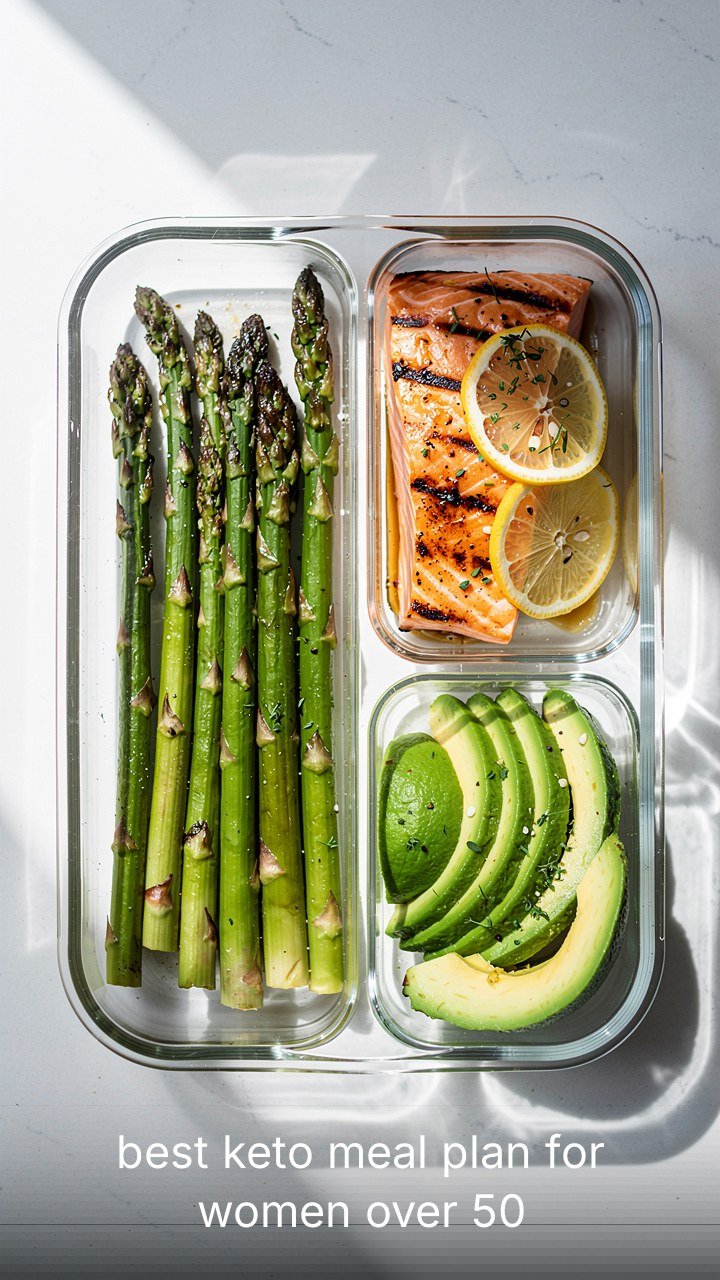
When transitioning to keto in your fifties, start by focusing on healthy fats that support endocrine function. Incorporate avocado, olive oil, and wild-caught salmon to provide omega-3 fatty acids. These fats are essential for hormone production, which can fluctuate wildly during menopause.
I recommend tracking your macros for at least two weeks to ensure you are actually in ketosis. Many women think they are eating keto but are unknowingly consuming hidden carbs in sauces or dressings. Use a simple app like Carb Manager or MyFitnessPal to record your intake accurately.
This objective data helps you see exactly where your energy is coming from each day.
Common Mistakes and How to Avoid Them
One frequent mistake is avoiding electrolytes, specifically sodium, magnesium, and potassium. Women over 50 often experience “keto flu” more intensely because of existing sensitivities. I suggest adding a high-quality electrolyte supplement to your morning water, specifically one with 1000mg of sodium.
Another error is over-relying on processed “keto-friendly” snacks that contain artificial sweeteners like maltitol. These can spike blood sugar even if they claim to be low-carb. Stick to whole foods like eggs, spinach, nuts, and clean meats as your primary fuel sources.
If you find your progress stalling, look closely at your dairy intake, as some women find it triggers inflammation or digestive discomfort.
A Step-by-Step Keto Grocery Guide
Start your meal prep by clearing out refined sugars and flours entirely. Replace them with high-fiber vegetables like kale, broccoli, and zucchini to keep your gut healthy. Buy your proteins in bulk, such as chicken thighs and ground beef, to save money during the week.
Spend Sunday afternoon roasting two large trays of vegetables in coconut oil for easy access. Keep a batch of hard-boiled eggs in the fridge for a quick protein snack during afternoon energy dips. Always have a supply of canned sardines or tuna for those days you simply do not have time to cook.
Planning this way ensures you never have to resort to takeout when you are tired.
Myths vs Facts in Menopausal Nutrition
Many believe that keto is dangerous for heart health, but recent studies suggest that stable blood sugar is actually protective. The key is the quality of fat, not just the quantity. Focus on monounsaturated fats rather than heavy reliance on processed meats like bacon or pepperoni.
Another myth is that keto causes bone loss. This is only true if you are not getting enough calcium and vitamin D through your diet. Make sure to consume leafy greens and perhaps a bone broth daily to support joint and bone health.
Always consult your primary physician before making drastic changes, especially if you take medication for hypertension or blood glucose management.
FAQ: Keto for Women Over 50
Can I do keto if I have high cholesterol?
Yes, but focus on “clean” keto by emphasizing olive oil, avocado, and fatty fish. Avoid excess saturated fats like butter or coconut oil if your cholesterol profile is sensitive. I recommend getting a lipid panel test done before starting and another after three months.
Many women find that their HDL improves significantly once they remove refined sugars and processed grains.
How often should I check my ketone levels?
You do not need to check them daily once you are fat-adapted. In the first month, a breath meter or blood glucose monitor is helpful to verify you are truly in nutritional ketosis. If you feel energized and your brain fog has lifted, that is your primary indicator.
Focus on how you feel rather than chasing a specific number on a display.
Will keto stop my hot flashes?
For many women, stable blood sugar reduces the frequency and intensity of hot flashes. When your blood sugar crashes, it triggers a cortisol spike, which often leads to a hot flash. Maintaining steady glucose levels through a structured keto diet helps mitigate this response significantly.
Most users report fewer symptoms within four to six weeks of strict adherence.